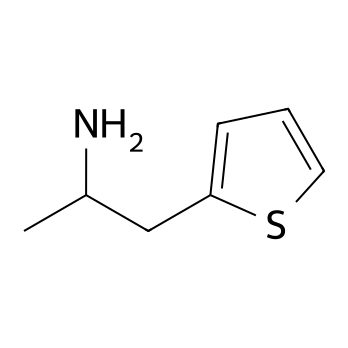
Thiopropamine (TPA) is a synthetic stimulant and research chemical structurally related to methiopropamine (MPA), differing from amphetamine by the substitution of a thiophene ring for the phenyl ring. First synthesized in 1942, it did not emerge on recreational markets until early 2016, appearing shortly after MPA was banned in the UK. It is estimated to be roughly one-third the potency of amphetamine and produces amphetamine-like stimulant effects.
ثيوبروبامين molecular structure diagram from the DrugsPRO substance library.
Also known as: Tpa, Normethiopropamine, A-methyl-2-thipheneethanamine
Classification
Psychoactive: Stimulant
Tag: Habit-Forming
Tag: Research-Chemical
Tag: Thiophene
Effects
Stimulation
Increased Heart Rate
Spontaneous Tactile Sensations
Increased Perspiration
Teeth Grinding
Temperature Regulation Suppression
Euphoria
Empathy Enhancement
Talkativeness
Alertness Enhancement
Focus Enhancement
Cognitive Euphoria
Increased Libido
Light Sensitivity
Appetite Suppression
Sexual Arousal
Routes of Administration
Oral
Dosage
Heavy: 125 mg
Light: 20 – 50 mg
Common: 50 – 100 mg
Strong: 100 – 125 mg
Threshold: 20 mg
Duration
No data available for this section yet.
Insufflated
Dosage
No data available for this section yet.
Duration
Onset: 0.08 h
Harm Reduction
Check interactions before mixing substances, pay attention to dose spacing and hydration, and treat all dosage guidance as approximate rather than guaranteed safe.
Sources
Substance data is aggregated from the following public harm-reduction and reference sources.
This static page is intended as a readable non-JS and prerender-friendly library export.
Get the full DrugsPRO experience
Open the interactive DrugsPRO app for search, saved items, interactions, and deeper harm reduction tools.
Get the PRO test kit. The simple, quick and reliable drug checking test kit. Visit https://protestkit.eu
Thiopropamine - دليل المواد DrugsPRO
Thiopropamine: Thiopropamine (TPA) is a synthetic stimulant and research chemical structurally related to methiopropamine (MPA), differing from amphetamine by the substitution of a thiophene ring for the phenyl ring. First synthesized in 1942, it did not emerge on recreational markets until early 20