Library

Levocarnitin

Carnitine is a quaternary ammonium compound involved in metabolism in most mammals, plants, and some bacteria. In support of energy metabolism, carnitine transports long-chain fatty acids from the cytosol into mitochondria to be oxidized for free energy production, and also participates in removing products of metabolism from cells. Given its key metabolic roles, carnitine is concentrated in tissues like skeletal and cardiac muscle that metabolize fatty acids as an energy source. Generally individuals, including strict vegetarians, synthesize enough L-carnitine in vivo.
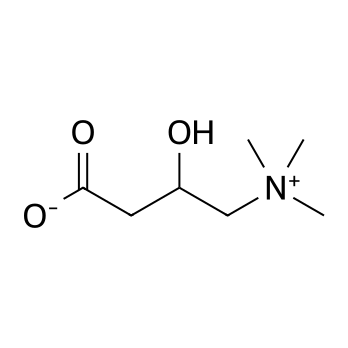

Levocarnitin molecular structure
Levocarnitin molecular structure diagram from the DrugsPRO substance library.

Classification

  • Chemical: Medicine

Effects

No data available for this section yet.

Routes of Administration

No route information available yet.

Harm Reduction

Check interactions before mixing substances, pay attention to dose spacing and hydration, and treat all dosage guidance as approximate rather than guaranteed safe.

Sources

Substance data is aggregated from the following public harm-reduction and reference sources.

Links

This static page is intended as a readable non-JS and prerender-friendly library export.

Get the full DrugsPRO experience

Open the interactive DrugsPRO app for search, saved items, interactions, and deeper harm reduction tools.

Get the PRO test kit. The simple, quick and reliable drug checking test kit. Visit https://protestkit.eu

Levocarnitine - DrugsPRO Substanzleitfaden

Levocarnitine: Carnitine is a quaternary ammonium compound involved in metabolism in most mammals, plants, and some bacteria. In support of energy metabolism, carnitine transports long-chain fatty acids from the cytosol into mitochondria to be oxidized for free energy production, and also participat

Related pages