Fluconazole is a triazole antifungal used to treat candidiasis, cryptococcal meningitis, and other fungal infections. It is generally well-tolerated but can cause liver toxicity, QT prolongation, and numerous drug interactions through CYP enzyme inhibition. Not recommended during pregnancy except when benefits outweigh risks; high doses linked to birth defects and increased miscarriage risk. Requires dose adjustment in patients with renal impairment.
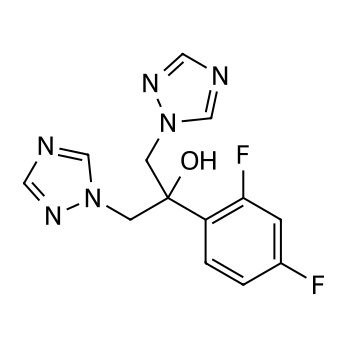
Diflucan molecular structure diagram from the DrugsPRO substance library.
Also known as: Fungata, Flucostat, Triflucan, Fungustatin, FLZ, Fluconazol, Fluconazolum
Classification
Chemical: Medicine
Tag: Antifungal
Tag: Not psychoactive
Tag: Pharmaceutical
Tag: Triazole antifungal
Effects
Headache
Itching
Dizziness
Routes of Administration
Oral
Dosage
Threshold: 50 mg
Light: 50-100 mg
Common: 100-200 mg
Strong: 200-400 mg
Heavy: >400 mg
Duration
Onset: 0.5-3 h
Peak: 1-2 h
Offset: 24-72 h
After Effects: 0 h
Total Duration: 24-72 h
Intravenous
Dosage
Threshold: 50 mg
Light: 50-100 mg
Common: 100-200 mg
Strong: 200-400 mg
Heavy: Not typically used above 400 mg
Duration
Onset: 1 h
Peak: 1-2 h
Offset: 24 h
Harm Reduction
Check interactions before mixing substances, pay attention to dose spacing and hydration, and treat all dosage guidance as approximate rather than guaranteed safe.
Sources
Substance data is aggregated from the following public harm-reduction and reference sources.
This static page is intended as a readable non-JS and prerender-friendly library export.
Get the full DrugsPRO experience
Open the interactive DrugsPRO app for search, saved items, interactions, and deeper harm reduction tools.
Get the PRO test kit. The simple, quick and reliable drug checking test kit. Visit https://protestkit.eu
Diflucan - Guide des substances DrugsPRO
Diflucan: Fluconazole is a triazole antifungal used to treat candidiasis, cryptococcal meningitis, and other fungal infections. It is generally well-tolerated but can cause liver toxicity, QT prolongation, and numerous drug interactions through CYP enzyme inhibition. Not recommended during pregnancy