Library

Anandamidas

Anandamide (ANA), also referred to as N-arachidonoylethanolamine (AEA), is a fatty acid neurotransmitter belonging to the fatty acid derivative group known as N-acylethanolamines (NAE). Anandamide takes its name from the Sanskrit word ananda, meaning "joy, bliss, delight," plus amide. Anandamide, the first discovered endocannabinoid, engages with the body's endocannabinoid system by binding to the same cannabinoid receptors that THC found in cannabis acts on. Anandamide can be found within tissues in a wide range of animals. It has also been found in plants, such as the cacao tree.
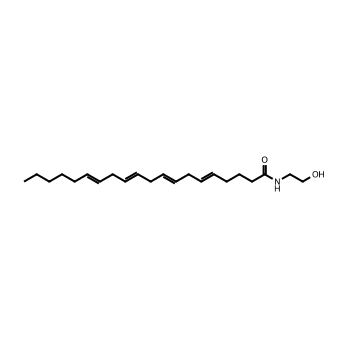

Anandamidas molecular structure
Anandamidas molecular structure diagram from the DrugsPRO substance library.

Classification

  • Chemical: Cannabinoid

Effects

  • Sedation
  • Anxiety
  • Euphoria

Routes of Administration

No route information available yet.

Harm Reduction

Check interactions before mixing substances, pay attention to dose spacing and hydration, and treat all dosage guidance as approximate rather than guaranteed safe.

Sources

Substance data is aggregated from the following public harm-reduction and reference sources.

Links

This static page is intended as a readable non-JS and prerender-friendly library export.

Get the full DrugsPRO experience

Open the interactive DrugsPRO app for search, saved items, interactions, and deeper harm reduction tools.

Get the PRO test kit. The simple, quick and reliable drug checking test kit. Visit https://protestkit.eu

Anandamide - DrugsPRO substancijos vadovas

Anandamide: Anandamide (ANA), also referred to as N-arachidonoylethanolamine (AEA), is a fatty acid neurotransmitter belonging to the fatty acid derivative group known as N-acylethanolamines (NAE). Anandamide takes its name from the Sanskrit word ananda, meaning "joy, bliss, delight," plus amide. An

Related pages