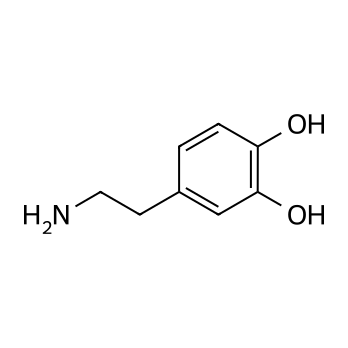
Dopamine, also known as 3,4-dihydroxyphenethylamine, is a monoamine neurotransmitter affecting dopamine receptors (D1-5). The majority of the body's dopamine is synthesized and used in the brain; however, dopamine effects many peripheral organs (e.g. heart, blood vessels) as well, and is also synthesized by the kidneys.
Dopamine molecular structure diagram from the DrugsPRO substance library.
Classification
Chemical: Phenethylamine
Effects
Stimulation
Increased Heart Rate
Talkativeness
Alertness Enhancement
Light Sensitivity
Routes of Administration
No route information available yet.
Harm Reduction
Check interactions before mixing substances, pay attention to dose spacing and hydration, and treat all dosage guidance as approximate rather than guaranteed safe.
Sources
Substance data is aggregated from the following public harm-reduction and reference sources.
This static page is intended as a readable non-JS and prerender-friendly library export.
Get the full DrugsPRO experience
Open the interactive DrugsPRO app for search, saved items, interactions, and deeper harm reduction tools.
Get the PRO test kit. The simple, quick and reliable drug checking test kit. Visit https://protestkit.eu
Dopamine - DrugsPRO stofgids
Dopamine: Dopamine, also known as 3,4-dihydroxyphenethylamine, is a monoamine neurotransmitter affecting dopamine receptors (D1-5). The majority of the body's dopamine is synthesized and used in the brain; however, dopamine effects many peripheral organs (e.g. heart, blood vessels) as well, and is a