meta-Chlorophenylpiperazine (also known as mCPP) is a stimulant drug of the phenylpiperazine class. It was first synthesized as one in a series of potential novel antihistamines by Thomas H. Wicker Jr. in 1951 as part of his doctoral work at the University of Florida. Unlike many other stimulants like amphetamine, mCPP is generally considered to be unpleasant. mCPP is notable for inducing anxiety, and causing migraines and severe headaches. mCPP is occasionally encountered as an adulterant in street MDMA.
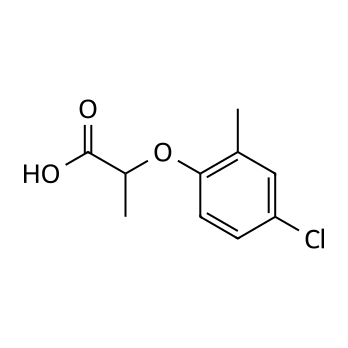
MCPP molecular structure diagram from the DrugsPRO substance library.
Also known as: Cpp, 3-cpp, meta-Chlorophenylpiperazine
Classification
Chemical: Piperazine
Psychoactive: Stimulant
Tag: Research-Chemical
Tag: substituted piperazine
Tag: Tentative
Effects
Increased Heart Rate
Stimulation
Nausea
Jaw Tension
Insomnia
Restlessness
Talkativeness
Alertness Enhancement
Euphoria
Sociability Enhancement
Anxiety
Empathy Enhancement
Light Sensitivity
Increased Music Appreciation
Auditory Enhancement
Blurred Vision
Brightness Enhancement
Contrast Enhancement
Routes of Administration
Oral
Dosage
Threshold: 15 mg
Heavy: 150 mg
Common: 50-120 mg
Light: 20-50 mg
Strong: 120-150 mg
Duration
Onset: 0.3-1 h
Comeup: 0.3-1 h
Peak: 2-4 h
Offset: 3-8 h
Harm Reduction
Check interactions before mixing substances, pay attention to dose spacing and hydration, and treat all dosage guidance as approximate rather than guaranteed safe.
Sources
Substance data is aggregated from the following public harm-reduction and reference sources.
This static page is intended as a readable non-JS and prerender-friendly library export.
Get the full DrugsPRO experience
Open the interactive DrugsPRO app for search, saved items, interactions, and deeper harm reduction tools.
Get the PRO test kit. The simple, quick and reliable drug checking test kit. Visit https://protestkit.eu
MCPP - przewodnik po substancji DrugsPRO
MCPP: meta-Chlorophenylpiperazine (also known as mCPP) is a stimulant drug of the phenylpiperazine class. It was first synthesized as one in a series of potential novel antihistamines by Thomas H. Wicker Jr. in 1951 as part of his doctoral work at the University of Florida. Unlike many other stimula