Library

Embutramid

Embutramide is a potent sedative drug that is structurally related to GHB. It was developed by Hoechst A.G. in 1958 and was investigated as a general anesthetic agent, but was found to have a very narrow therapeutic window, with a 50 mg/kg dose producing effective sedation and a 75 mg/kg dose being fatal. Along with strong sedative effects, embutramide also produces respiratory depression and ventricular arrhythmia. Because of these properties, it was never adopted for medical use as an anesthetic as it was considered too dangerous for this purpose. Instead it is used for euthanasia in veterinary medicine, mainly for the euthanization of dogs.
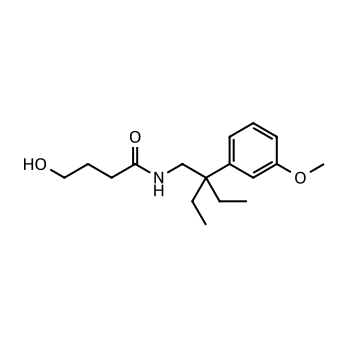

Embutramid molecular structure
Embutramid molecular structure diagram from the DrugsPRO substance library.

Classification

  • Chemical: Medicine
  • Psychoactive: Depressant

Effects

  • Sedation
  • Motor Impairment
  • Reduced Anxiety
  • Anxiety Suppression
  • Dulled Perception

Routes of Administration

No route information available yet.

Harm Reduction

Check interactions before mixing substances, pay attention to dose spacing and hydration, and treat all dosage guidance as approximate rather than guaranteed safe.

Sources

Substance data is aggregated from the following public harm-reduction and reference sources.

Links

This static page is intended as a readable non-JS and prerender-friendly library export.

Get the full DrugsPRO experience

Open the interactive DrugsPRO app for search, saved items, interactions, and deeper harm reduction tools.

Get the PRO test kit. The simple, quick and reliable drug checking test kit. Visit https://protestkit.eu

Embutramide - DrugsPRO sprievodca látky

Embutramide: Embutramide is a potent sedative drug that is structurally related to GHB. It was developed by Hoechst A.G. in 1958 and was investigated as a general anesthetic agent, but was found to have a very narrow therapeutic window, with a 50 mg/kg dose producing effective sedation and a 75 mg/k

Related pages