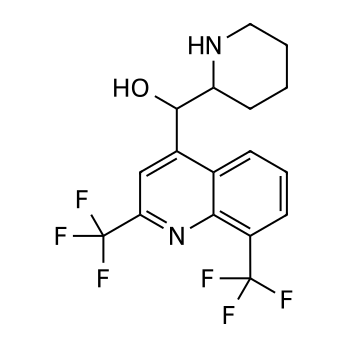
Mefloquine is classified as Antimalarial; not intended as psychoactive, but can produce neuropsychiatric adverse effects in susceptible individuals. It belongs to the Quinoline methanol derivative chemical class.
Мефлохін molecular structure diagram from the DrugsPRO substance library.
Also known as: Ларіам, WR 142,490, RO 21-5998, Мефлокоїнум, Мефлоакіна
Classification
Chemical: Medicine
Effects
Nausea
Vomiting
Diarrhea
Headache
Itching
Insomnia
Dizziness
Vivid Dreams
Mood Changes
Memory Impairment
Anxiety
Sadness
Ringing
Open Eye Visuals
Routes of Administration
Oral
Dosage
Common: 250 mg weekly (prophylaxis)
Duration
No data available for this section yet.
Harm Reduction
Check interactions before mixing substances, pay attention to dose spacing and hydration, and treat all dosage guidance as approximate rather than guaranteed safe.
Sources
Substance data is aggregated from the following public harm-reduction and reference sources.
This static page is intended as a readable non-JS and prerender-friendly library export.
Get the full DrugsPRO experience
Open the interactive DrugsPRO app for search, saved items, interactions, and deeper harm reduction tools.
Get the PRO test kit. The simple, quick and reliable drug checking test kit. Visit https://protestkit.eu
Mefloquine - довідник з речовин DrugsPRO
Mefloquine: Mefloquine is classified as Antimalarial; not intended as psychoactive, but can produce neuropsychiatric adverse effects in susceptible individuals. It belongs to the Quinoline methanol derivative chemical class.