Culture · Kyiv, Ukraine
How do people party in Ukraine?
A weekend at Brave! Factory festival, which took place in Kyiv on 22–23 August 2026.
I went to Kyiv mostly for professional reasons – a fellow drug checking organisation, Drugstore, was scheduled to work at Brave festival. Keen to learn about their experience, I arranged with Drugstore’s Galya Sergienko to visit their office, see how they prepare for the rave and watch them in action. Coincidentally, my friends had also said that Brave festival is one of the best around, so my curiosity peaked.
There is no choice
Drugstore is a part of non-profit Alliance for Public Health, which supports services ranging from providing medical assistance to civilians near the front lines, all the way down to handing out basic harm reduction supplies such as drug education materials, safer sniffing kits and reagent test kits.
When I arrive at Drugstore’s office, Galya’s colleague Margarita greets me outside of a historic hospital building they are located in, and we make our way inside. In the corridor maze she tells me how gratifying is their work, for example organising lectures on topics related to drugs. You could tell young people want to reduce risks and learn, if that is possible. Unfortunately now it’s harder – due to the ongoing conscription people are reluctant to go out.
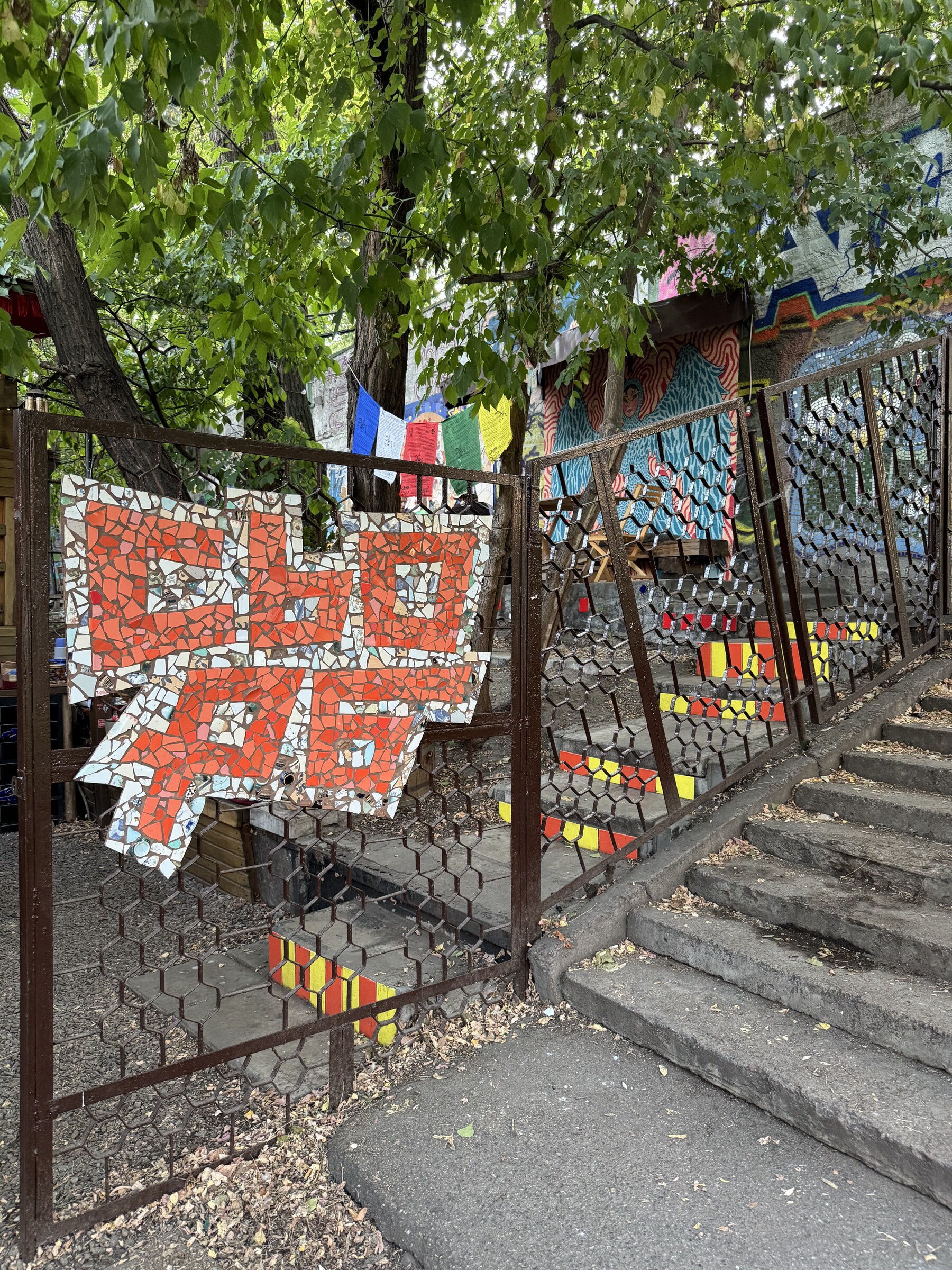
Meanwhile, Drugstore is packing for Brave and I get to see some of their materials. Catchy designs on sniffing kits, very own version of the famous TripSit drug interaction chart, variety of condoms, fridge stocked with reagent tests, and so much more.
“Kyiv lives its own life no matter what, the people are already used to it. Because there is no choice.”
Galya, Drugstore
Asked if they had seen any weird drugs, and who uses them, Drugstore’s Olya says “It’s the new generation”. Since the start of the full scale invasion Ukraine the use of synthetic stimulants has been growing, while legal highs landscape has included synthetic cannabinoids and kratom. Recently more new psychoactive compounds got banned and the drugs are now at least less in the open — if that can be considered an improvement.
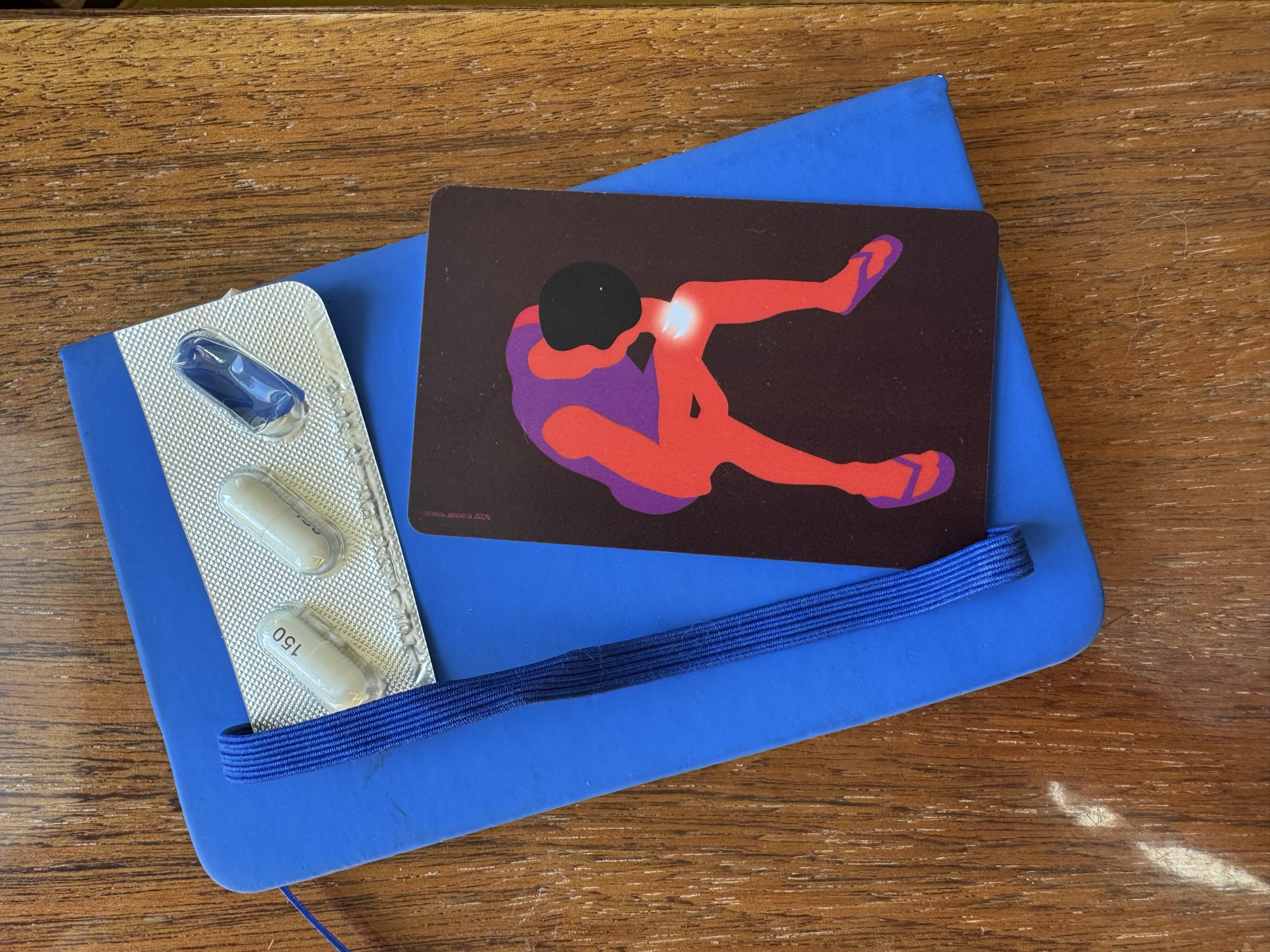
We also talk about mephedrone, king of modern stimulants, and pregabalin. The latter is a downer, most well known under the brand name Lyrica. It has wildly different dosing per person and effects somewhat between alcohol, xanax and ketamine.
Sitting in a café in Ukraine, casually discussing drugs felt off. Everyone I knew had called this trip a bad idea, I told Olya.
“Yeah, so what? It’s a bad idea to live here but we still do it.”
Olya, Drugstore
The next day
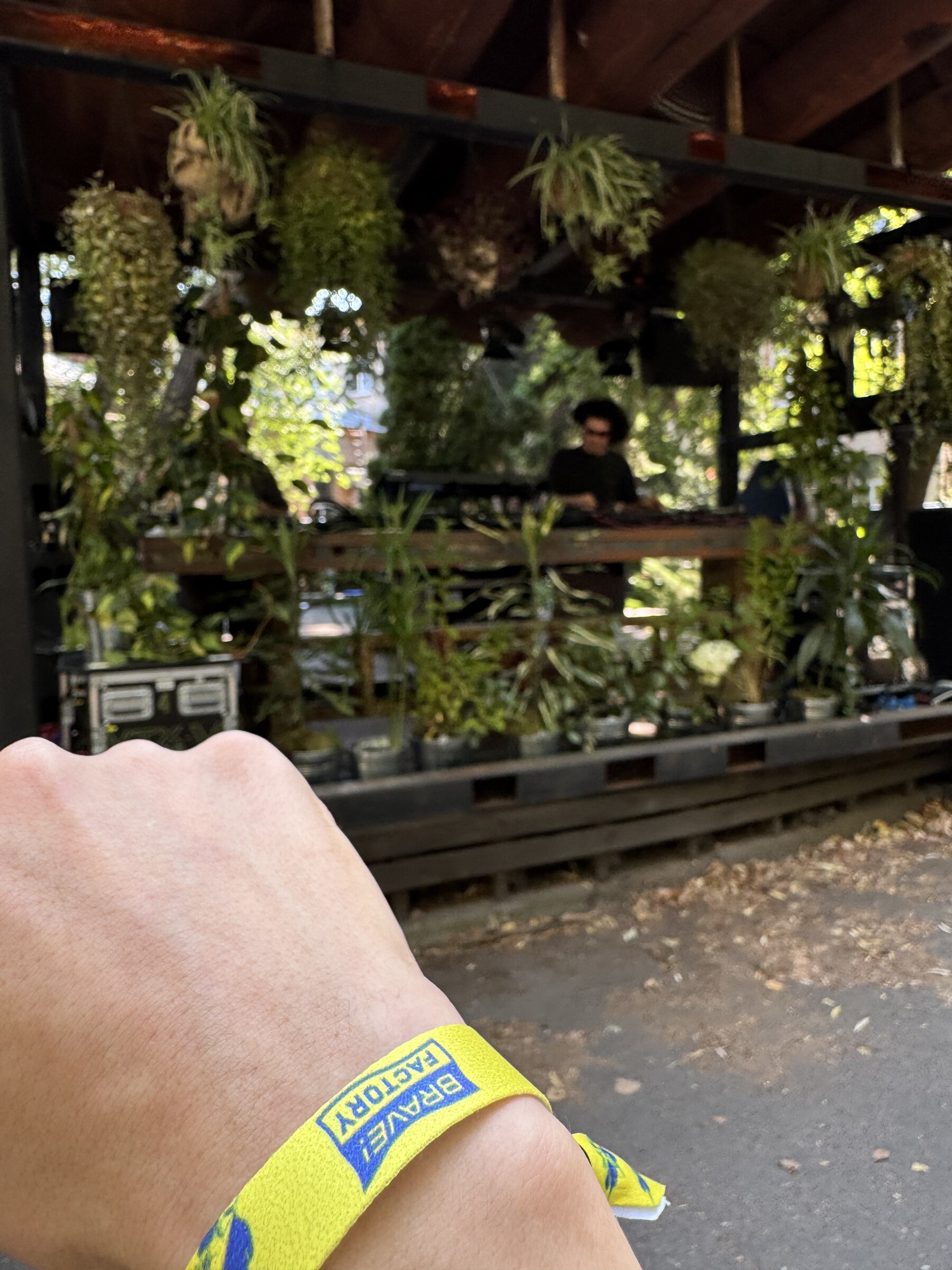
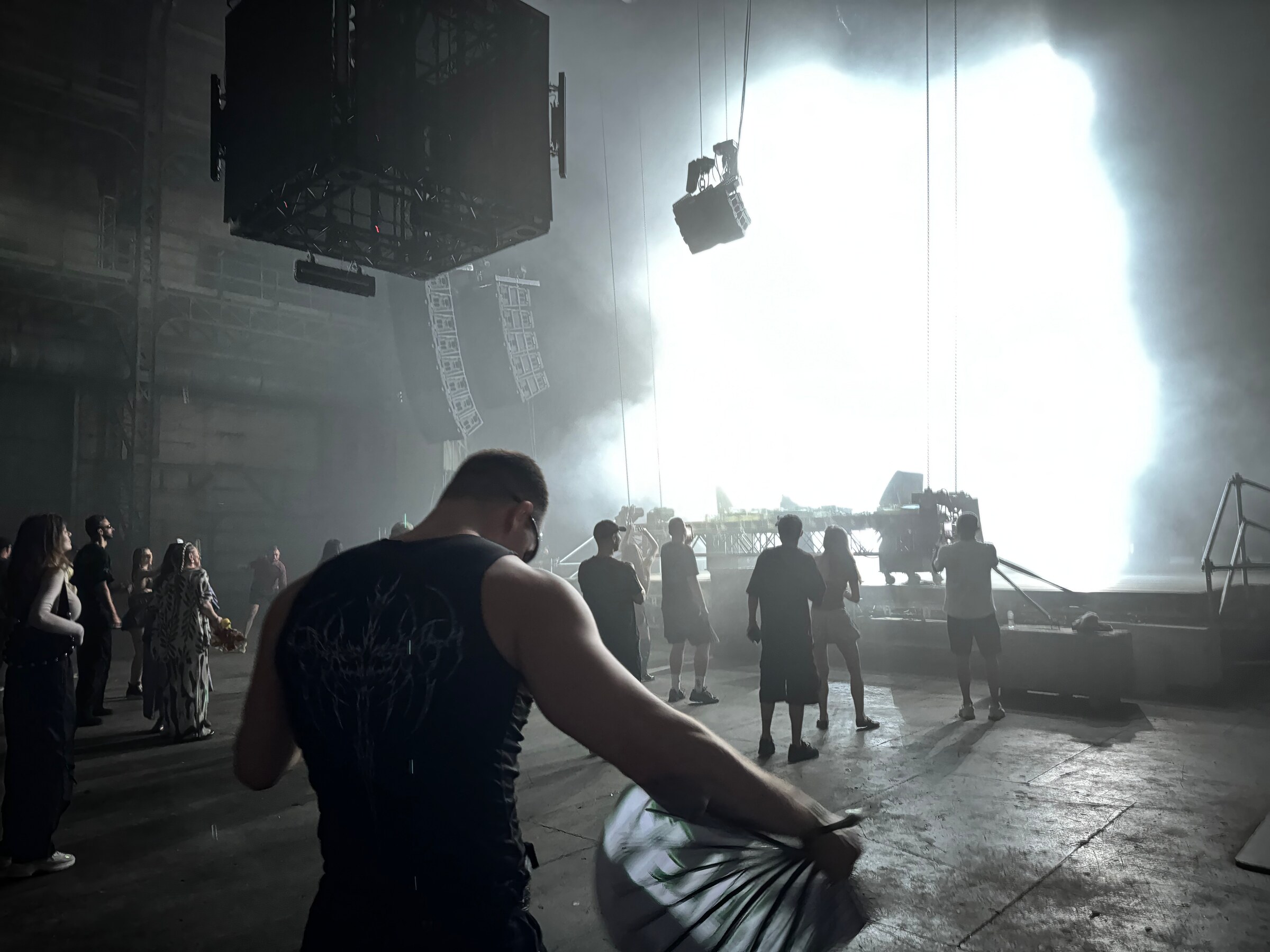
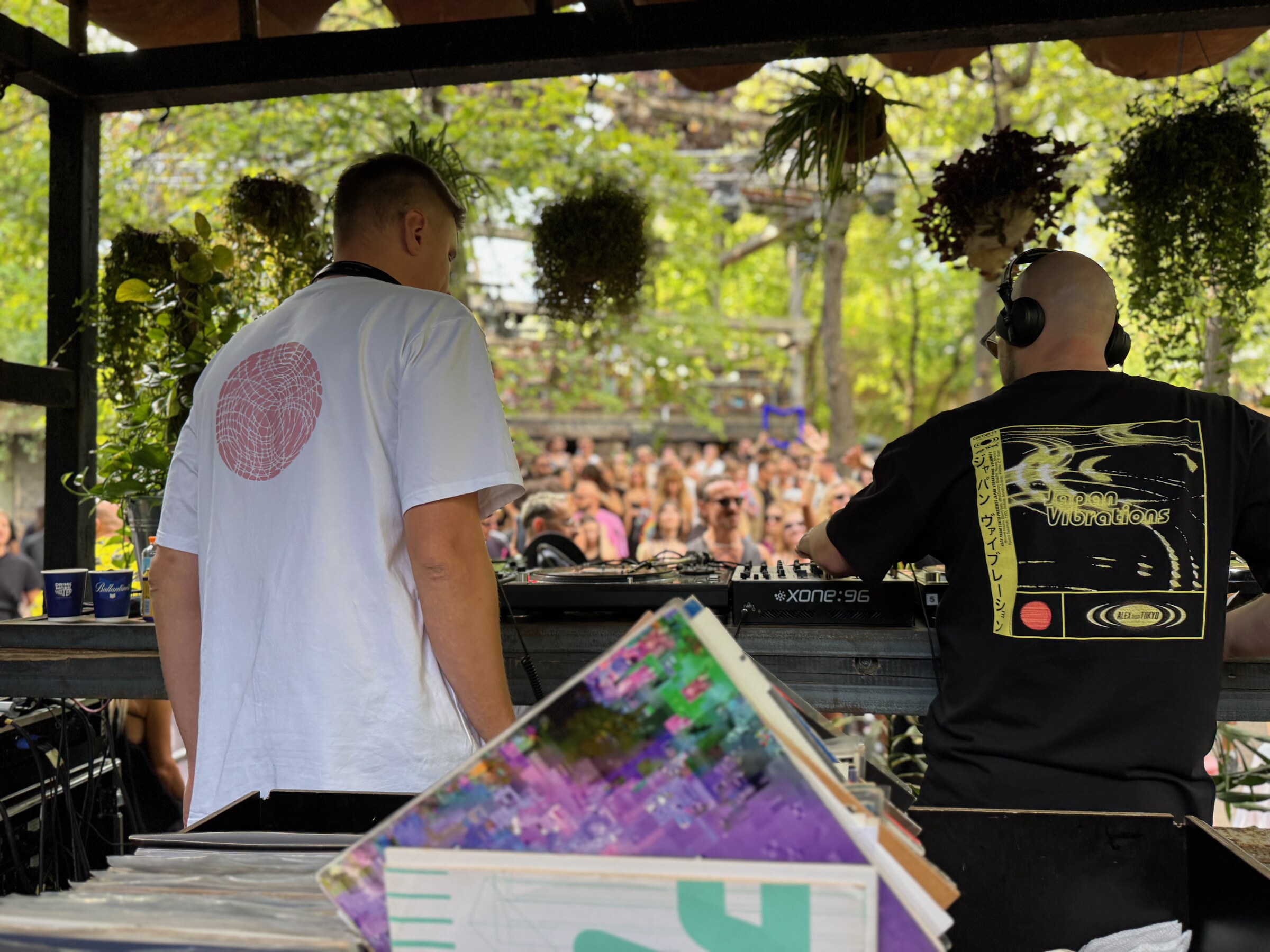
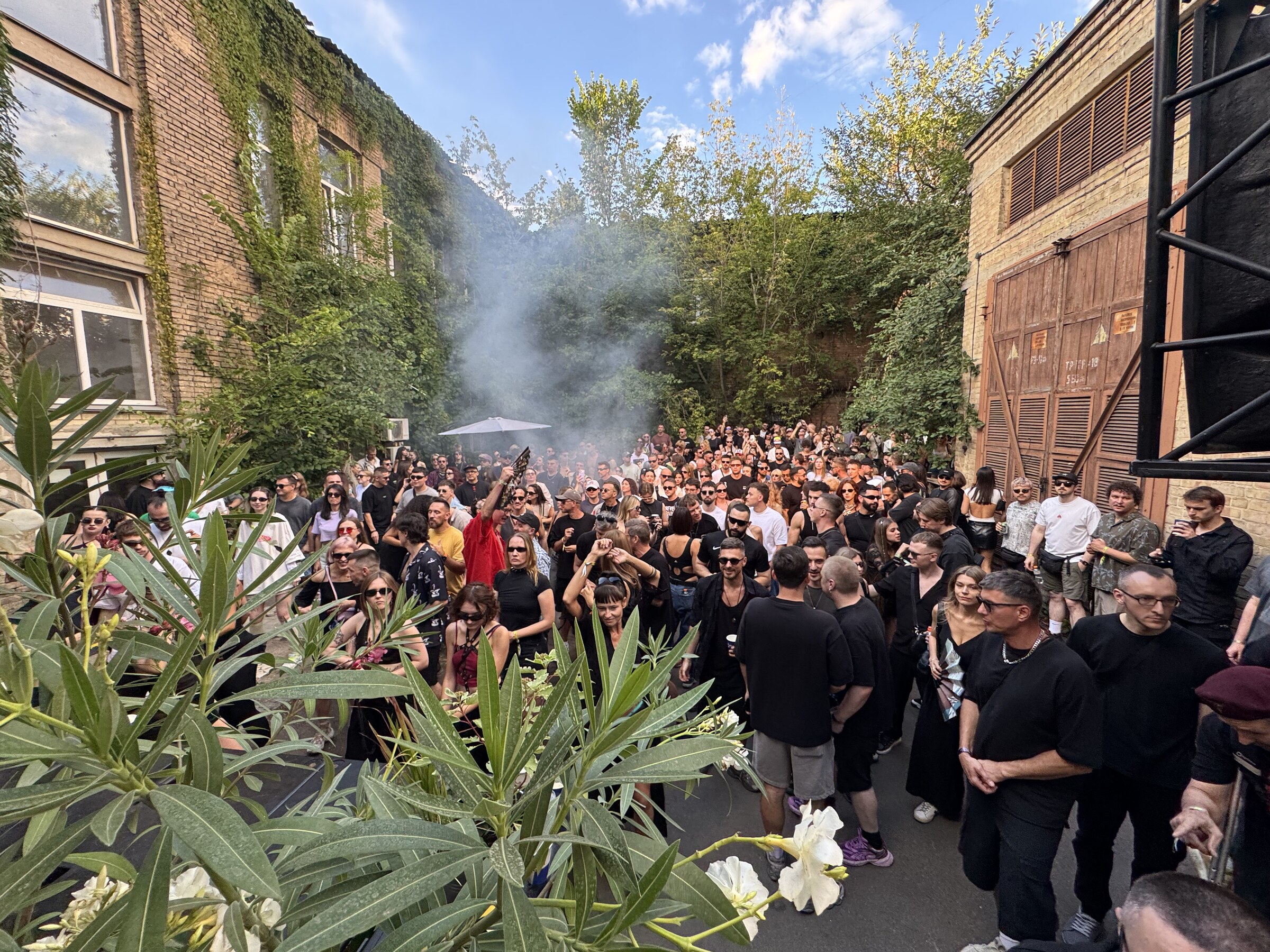
Brave! Factory opened its gates at the old Dovzhenko Film Studio in Kyiv. It starts at noon, because everyone needs to get home by midnight in time for curfew. Day parties are the new norm, and that means a completely different experience from a few years back, as I learned from veteran raver Serhii.
“Now it’s nothing. If you could only see how it was back at Brave in Metrobud. Three or four thousand people at one stage.”
Serhii
Serhii used to work in Poland, but returned to Ukraine after the full-scale invasion in 2022. He must have worked and lived in more cities in Poland, than I have even visited despite being a native. While we talked, a dog came around with a lady. She noticed Serhii’s injured legs and said something to him quietly in Ukrainian. He replied that he had only done what he could.
I would die if I didn’t live
Now out of military service, he keeps busy. Passions for football and music drive him to make both more accessible in his hometown of Ternopil. He showed me photos of a football field he had built and commented on how he had seen buildings just as big completely annihilated by Russian bombs.
“I would die if I didn’t live. Every day something happens. Every night can be the last night. People in Ukraine want to live, not die. I want for everyone to live and have fun, not be at war.”
Serhii
How can you survive without this?
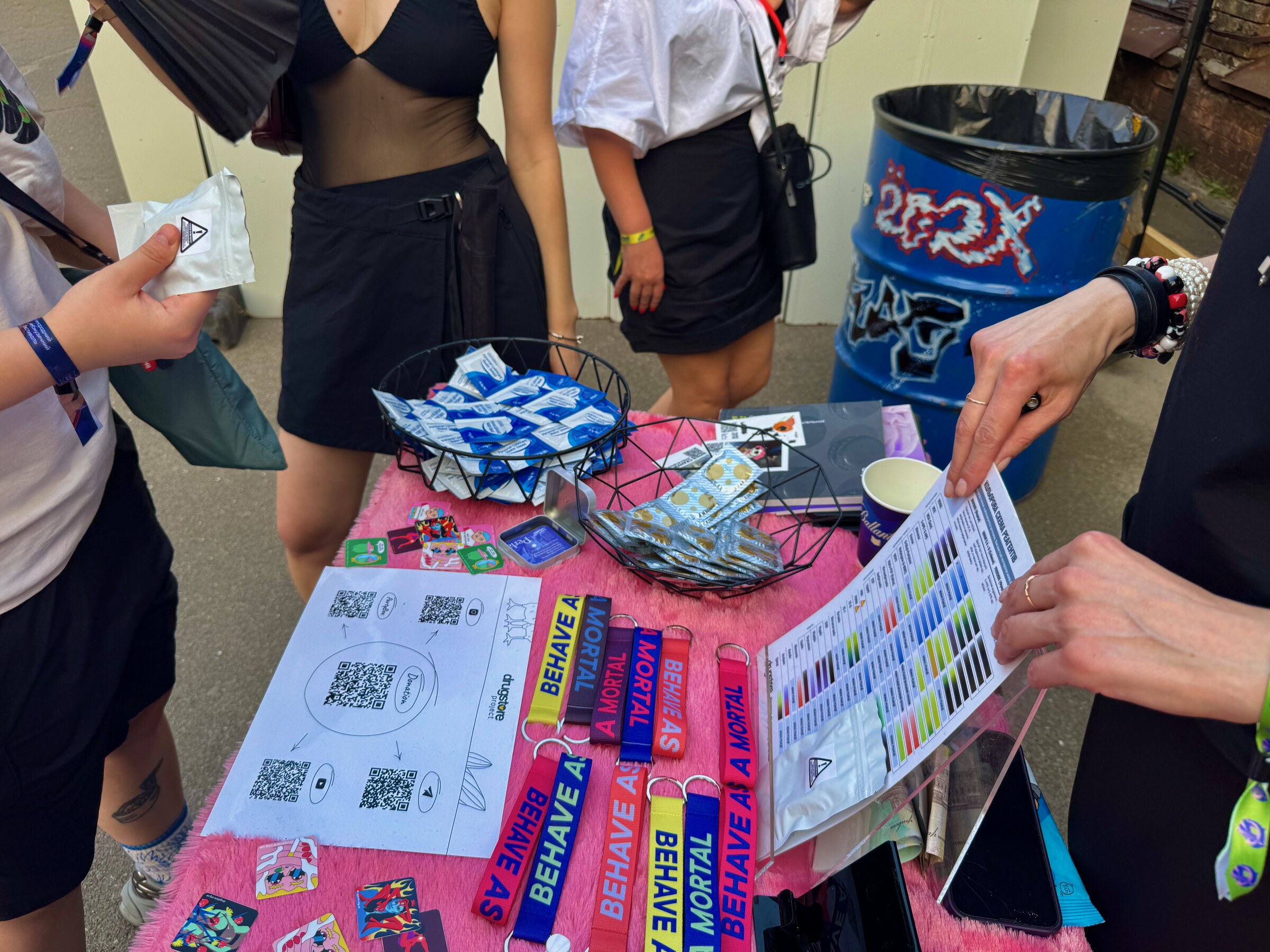
At Drugstore’s info stand I met Anastasia, a local DJ who came to the festival with two of her friends. Anastasia is no stranger to Kyiv’s dance floors or decks, takes lessons from the legendary Closer club collective, and has been partying with them for years. Asked about raving at war answers:
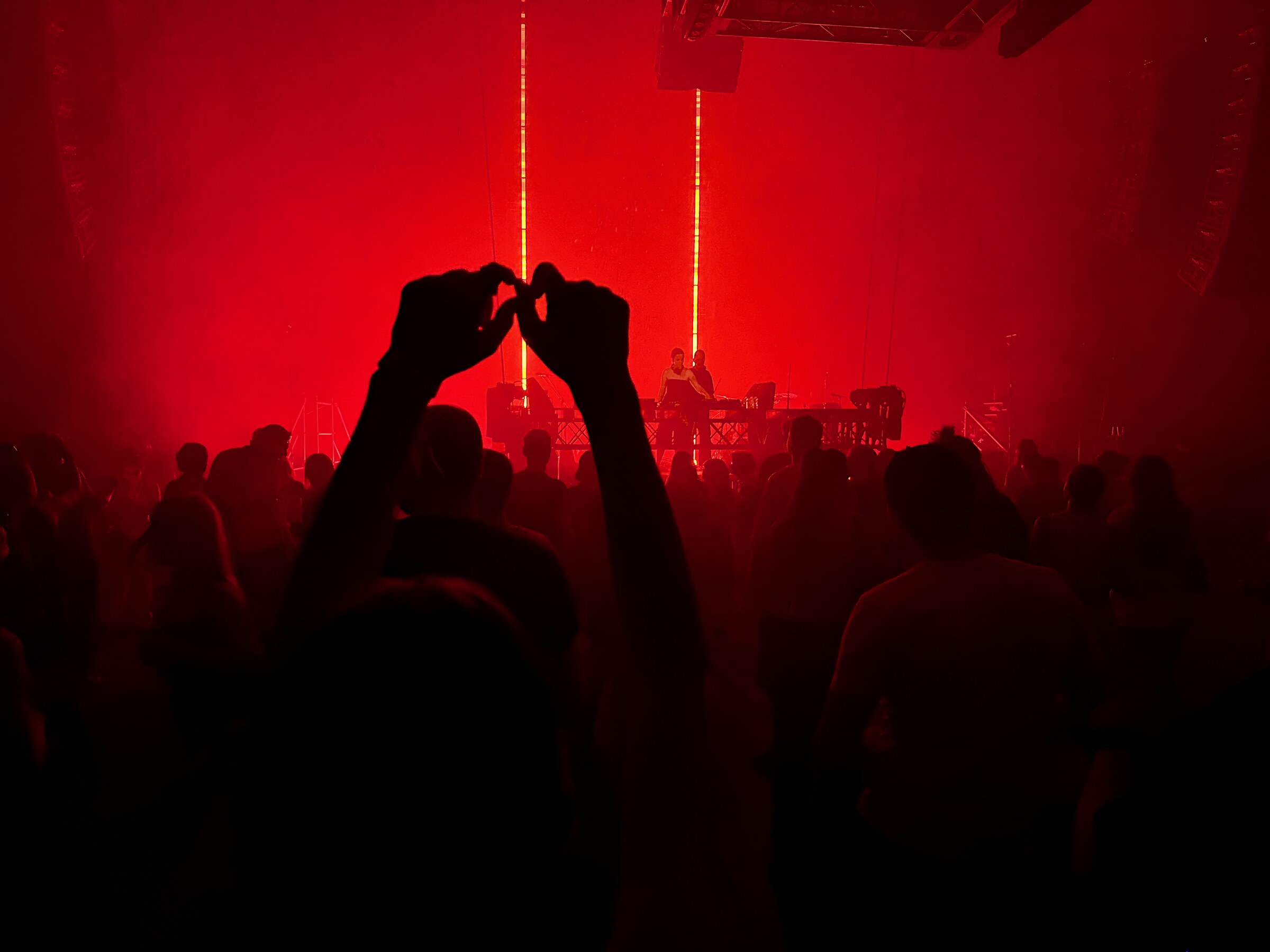
“How can you survive this shit without it?”
Anastasia
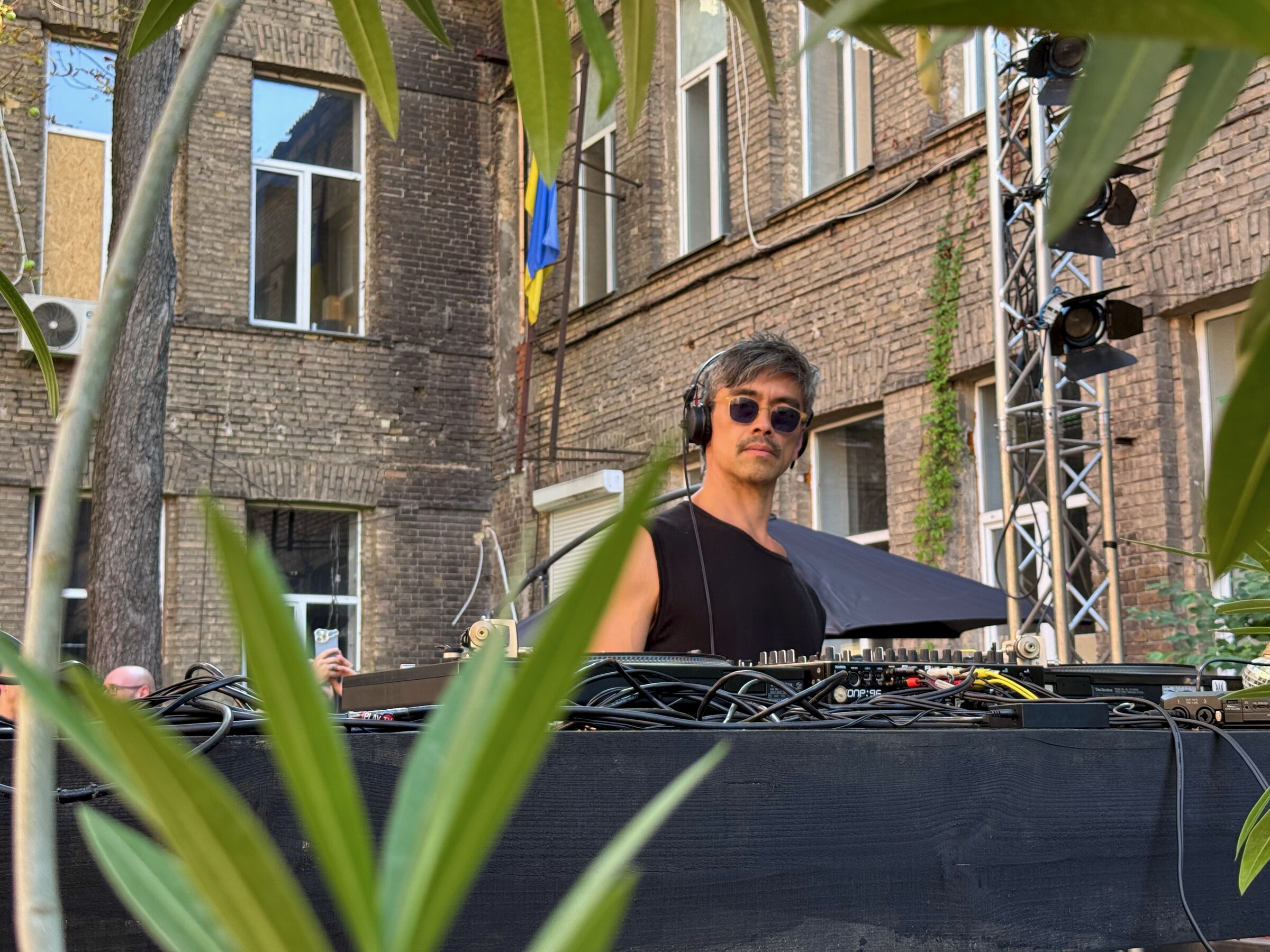
“She is our guide, too,” her friends said proudly, as I am scribbling the names of recommended artists. Local residents Igor Glushko, Roman K. and Sasha Shults quickly landed among the favourites in my timetable. Then later that evening a performance by Mezerg was coming up, a French artist who plays a custom instrument comprising a theremin, keyboard and percussion piece.
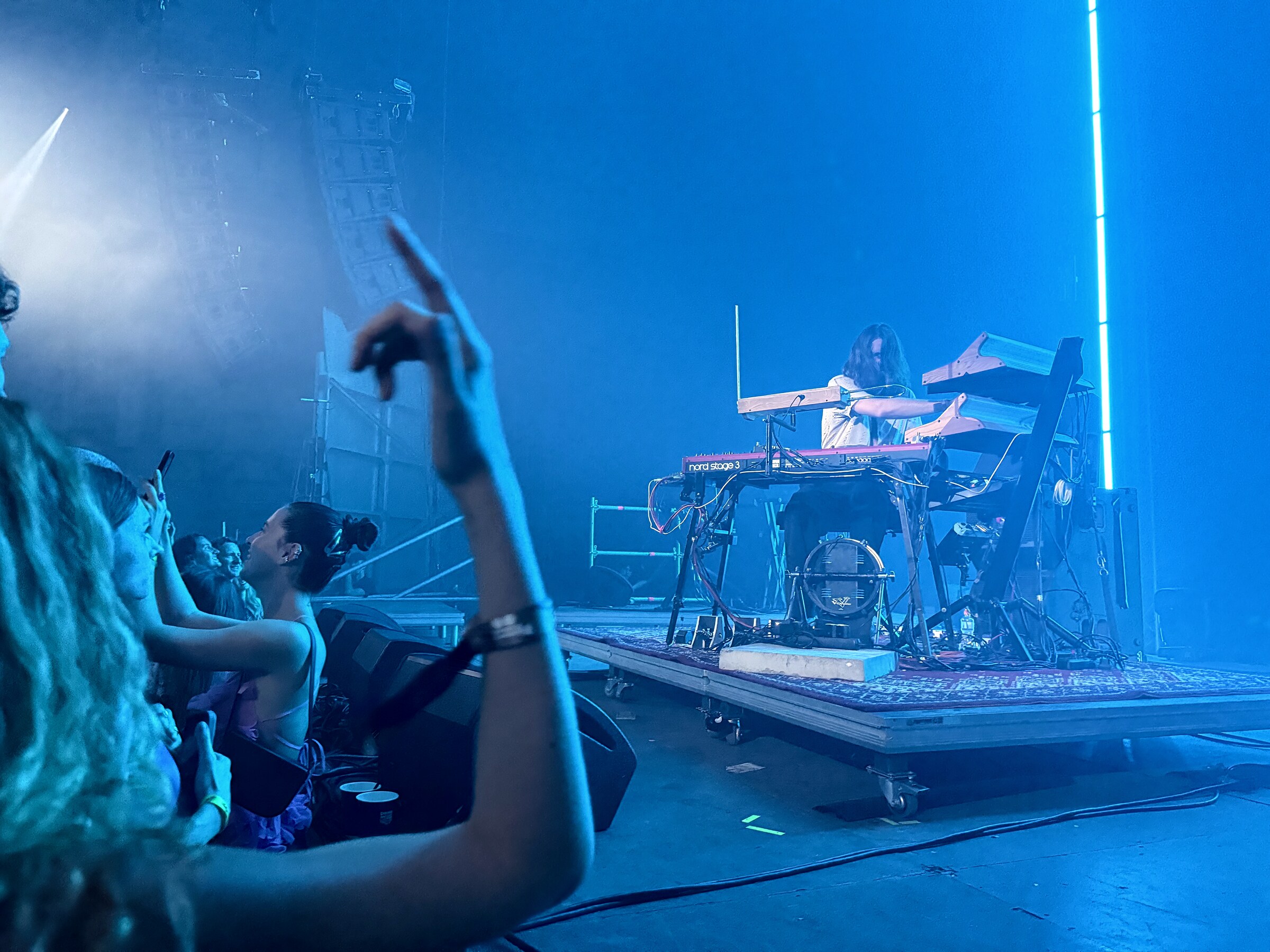
Right before Mezerg began, someone from the audience shouted the classic: “Putin is a dickhead! Welcome to Ukraine!”
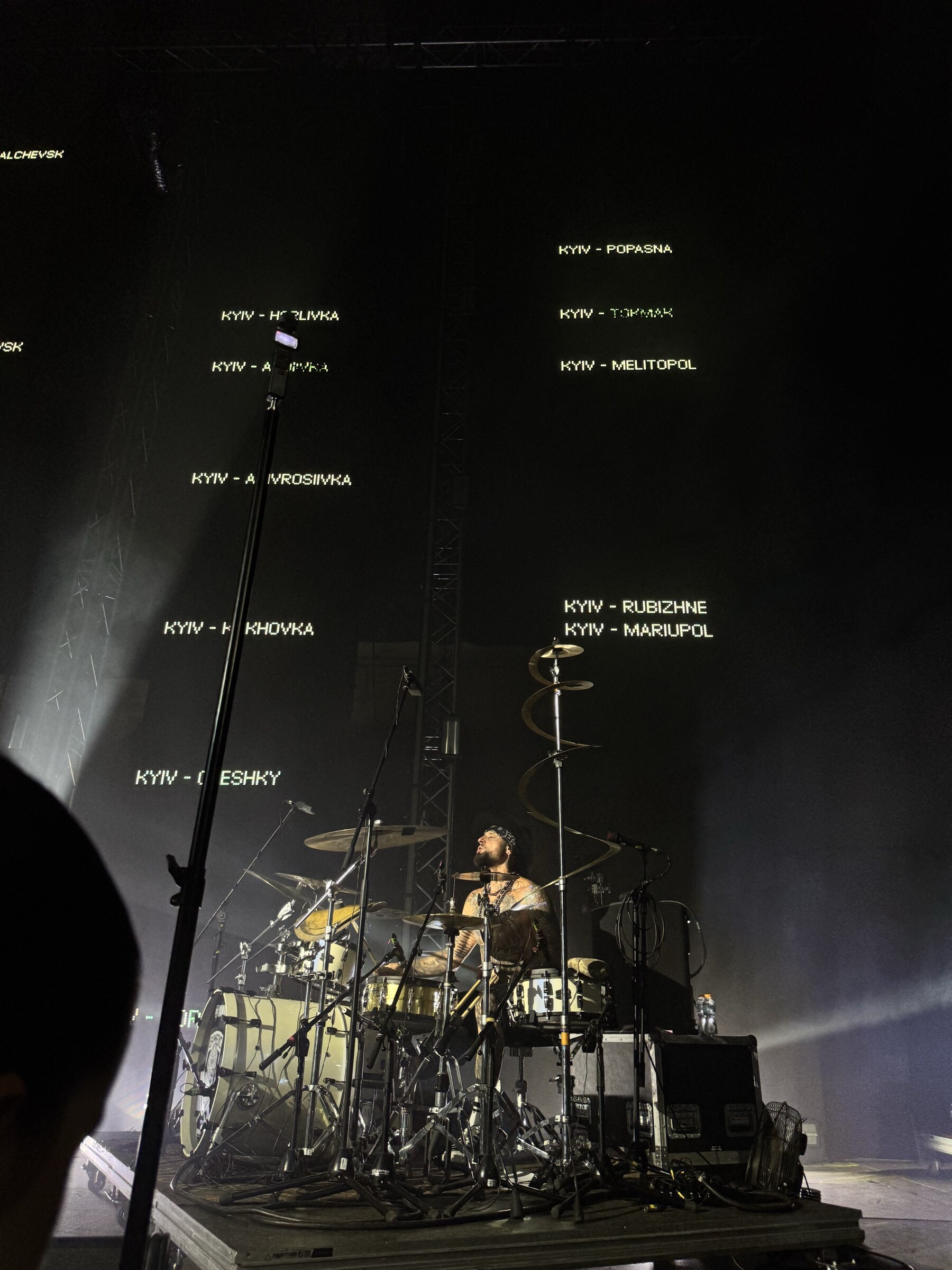
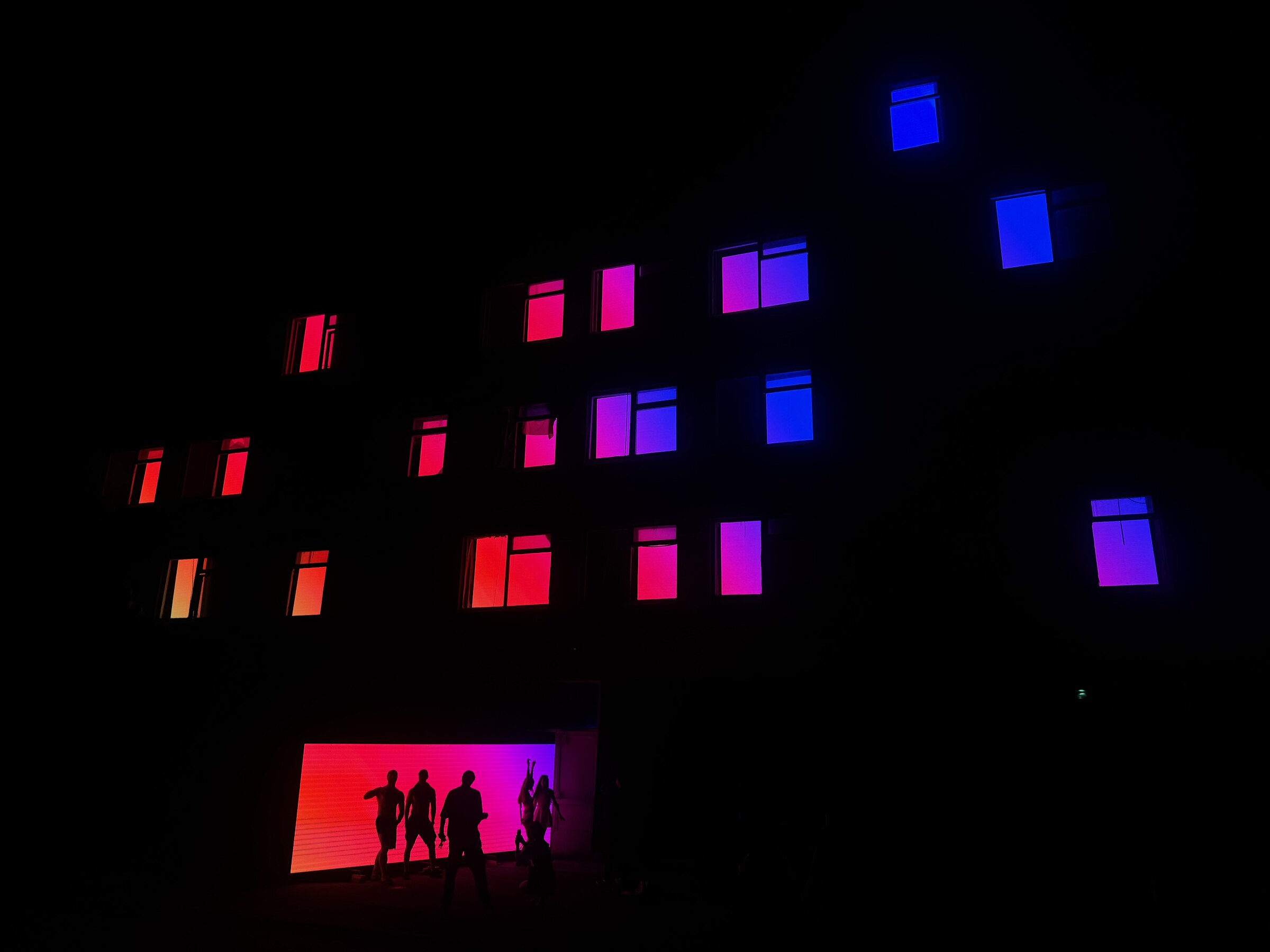
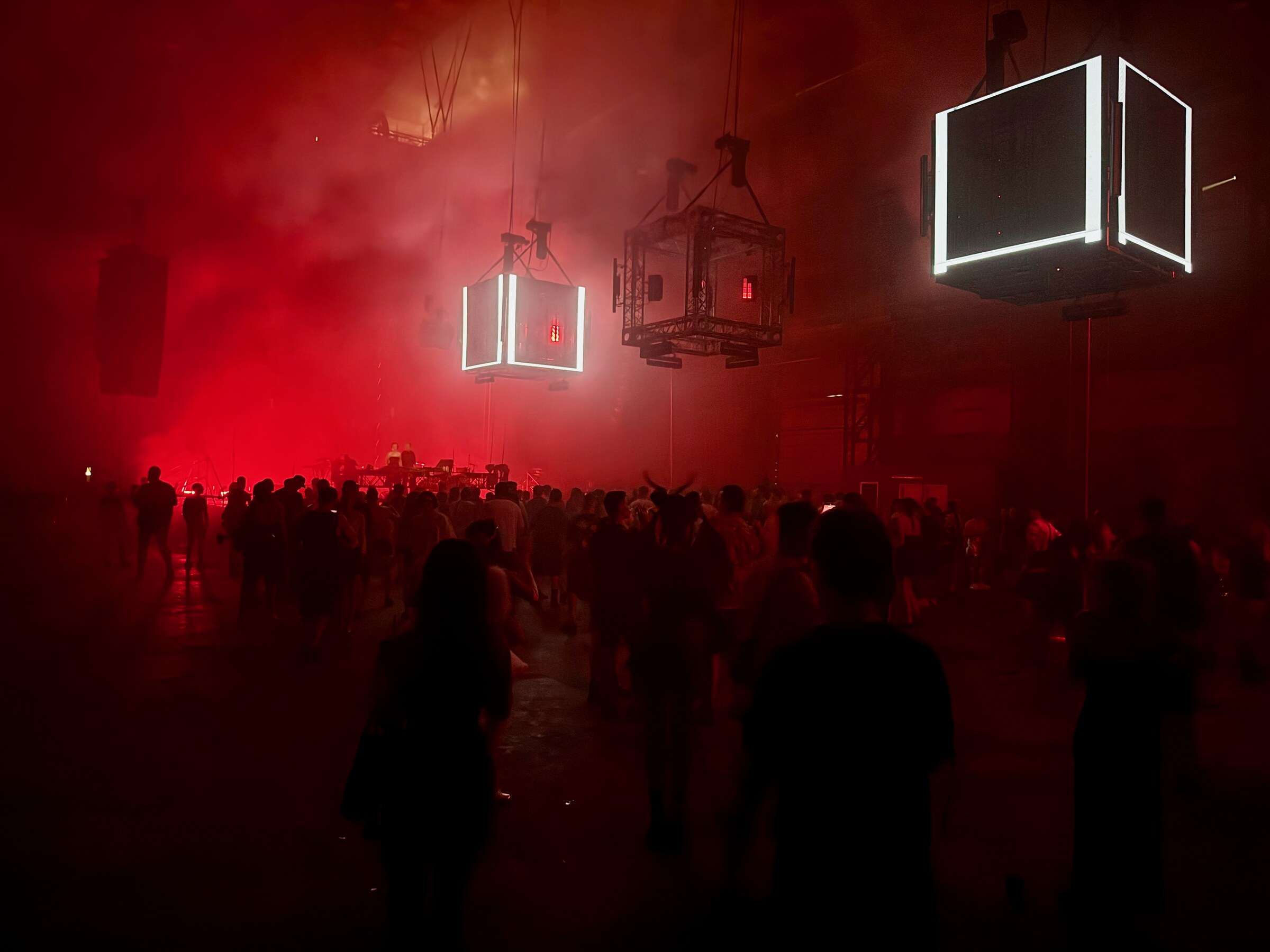
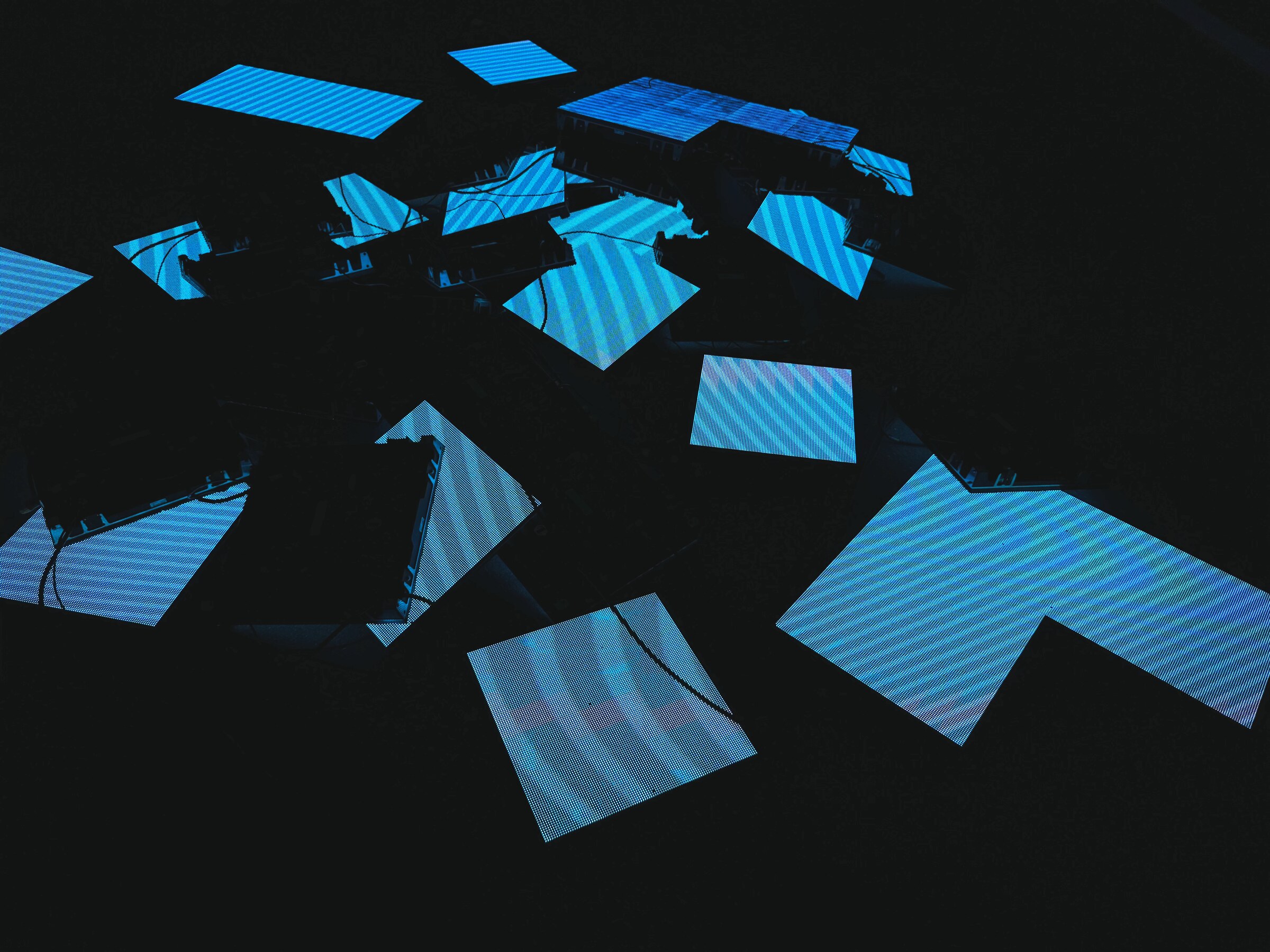
Raving is all about being in the moment, here, now, together. Many artists directly referenced the war or thanked our defenders for their sacrifice. People danced to Hidden Element looking at the names of Ukrainian cities under occupation, others posed to photographs with art installations put in place of windows destroyed in a Russian strike.
„Dual vision is a necessity when you have a reality like that.” writes me later Anastasia.
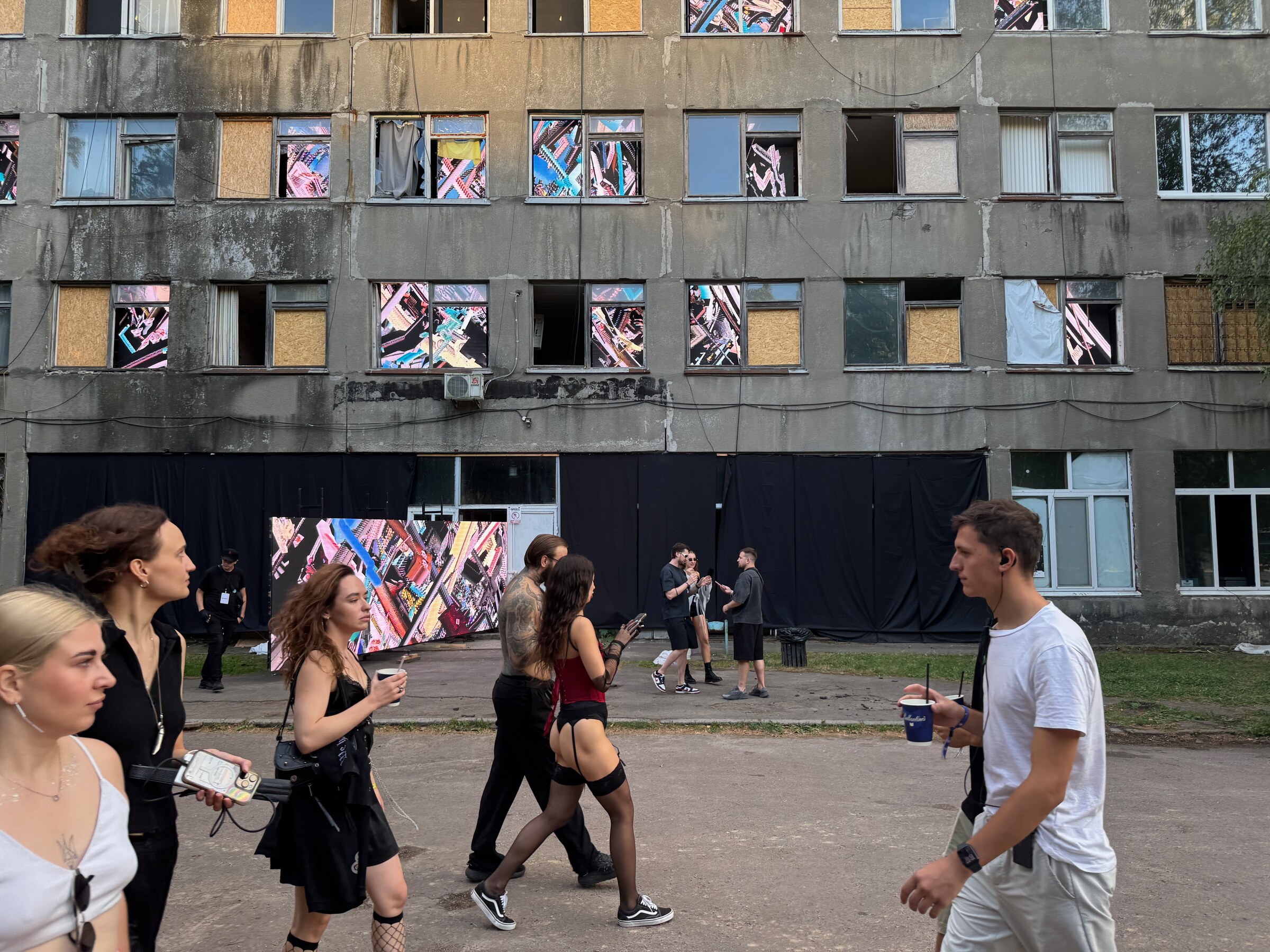
“It makes me think of the state between broken and unbroken.”
Dima, festivalgoer
Ukraine is my home
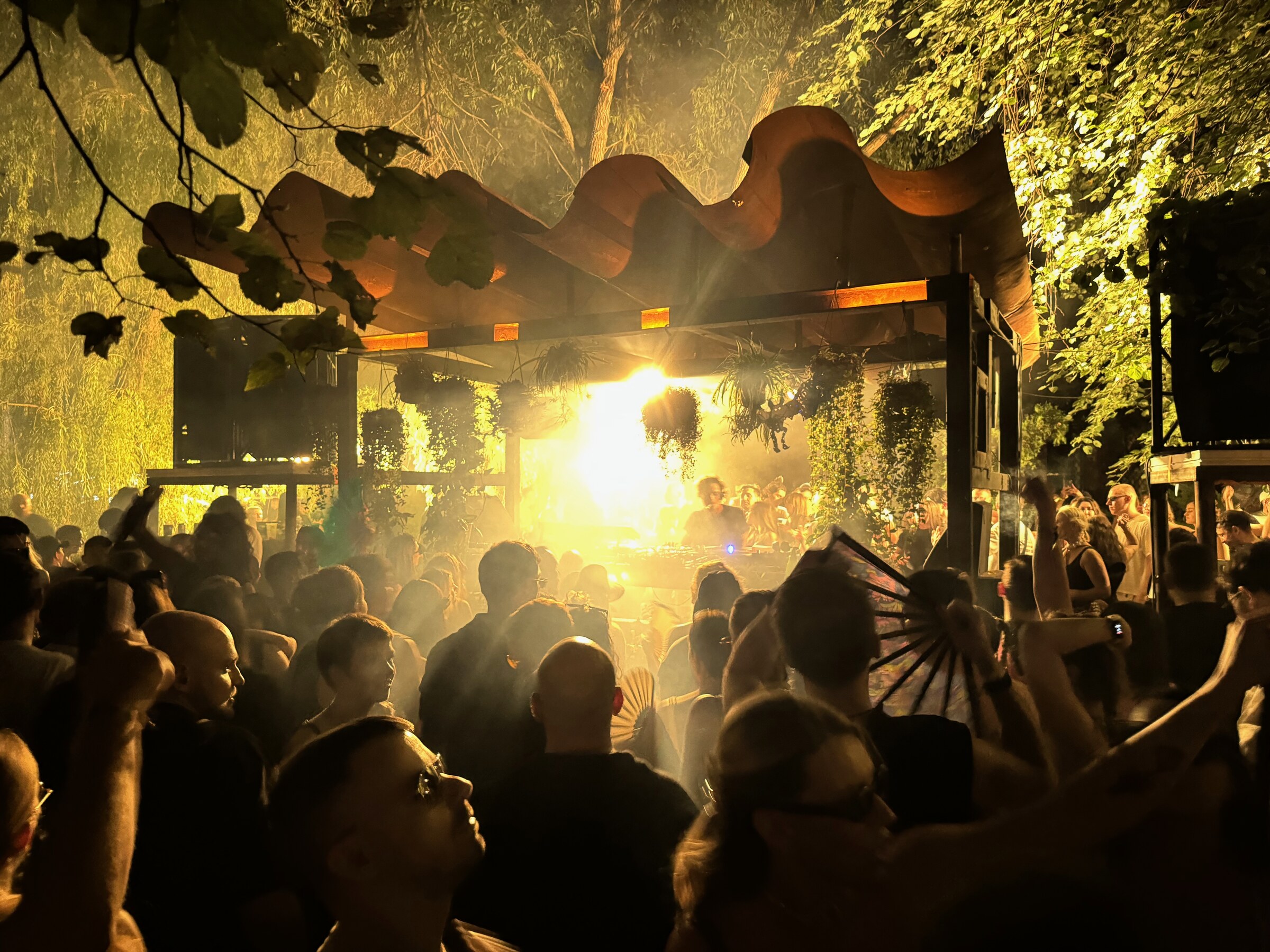
I bumped into Tatyana listening to Sweely, a French DJ playing at the Dvir stage. She asked what brought me to Kyiv, and we chatted about harm reduction and drug checking test kits. Personally, she does not use drugs but is a big fan of red and black tea. We were in luck and found some on the way to techno at the Topka stage.
“I used to work in international development, in Iraq, Afghanistan. I live in Mexico but now I came here, as Ukraine is my home.”
Tatyana
Tatyana was not sure if she would go to the afterparty at Closer next weekend. She has responsibilities at an animal shelter outside Kyiv, helping dogs from all around Ukraine. But she can make it all work regardless, no obstacle is too big: “If you are interested, in September there is another festival, you are welcome to come then.”
Later
I said my goodbyes — “do pobachennia” — to Drugstore’s crew and got going for the bus back to Poland. Just as Eric Cloutier’s closing DJ set was ending, an air raid alert notification popped up on my phone. Because of course there is an app for that.
I asked a person standing nearby where the shelter was. Were we heading to the subway? They looked at me, surprised, and just smiled and laughed.
Not to be dramatic, but I was going to take the subway anyway and headed for the shelter. On the street, I asked a girl passing by if she knew anything more about what was going on. She showed me a Telegram group chat that tracks “arrivals”. This way, you can know if your district is targeted or not, which can be more precise than the city-wide alarms.
From what the chat said, we should be fine. But as we passed under a busy street, it became less clear whether what we were hearing was car exhausts or Shahed drones.
We started to walk faster. We had places to be. Time to go home.
Support Ukraine now. Join the war relief efforts and donate at u24.gov.ua.