


Psychedelics 1D-LSD Lysergamides Psychedelics Research Chemical
1D-LSD
1D-LSD is among the most recent lysergamide analogues to reach the market. What it is and how to test a sample.
SUBSTANCE
Harm reduction reading on psychoactive substances: what they are, how they act, and how to check a sample before using it.
1 article
Harm reduction reading on psychoactive substances: what they are, how they act, and how to check a sample before using it.
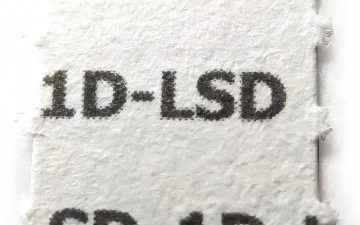
1D-LSD is among the most recent lysergamide analogues to reach the market. What it is and how to test a sample.
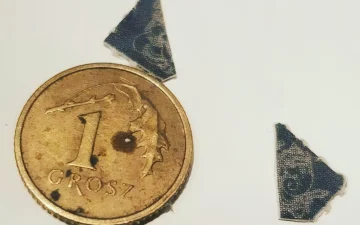
1P-LSD is closely related to LSD and behaves differently with Ehrlich. What it is, what it does, and how to test it.
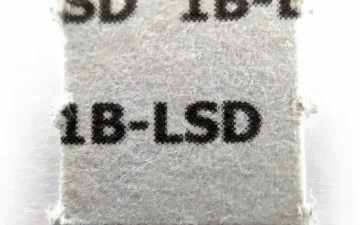
1B-LSD, or 1-butanoyl-LSD, is another lysergamide in wide circulation. What it is and how to test it.
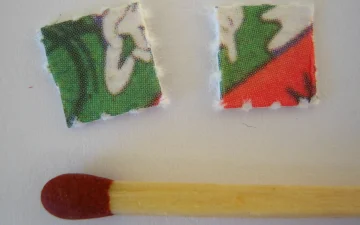
1V-LSD is a lysergamide analogue that reacts like LSD, only slower. What it is and how to test a sample.
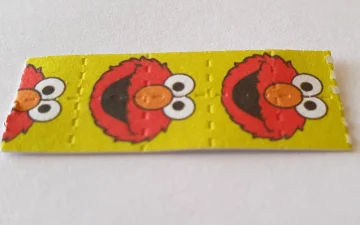
1cP-LSD is one of the lysergamide analogues sold widely as a research chemical. What it is and how to test it.
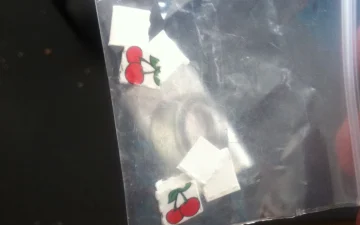
LSZ is a structural analogue of LSD with its own profile. What it is, what it does, and how it reacts with Ehrlich and Hofmann.
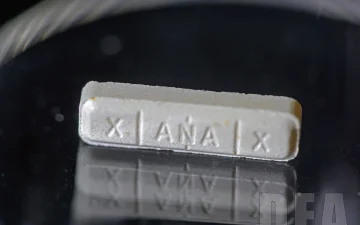
Alprazolam is one of the most counterfeited pharmaceuticals in the world. What it is, what it does, and how to check a pill.
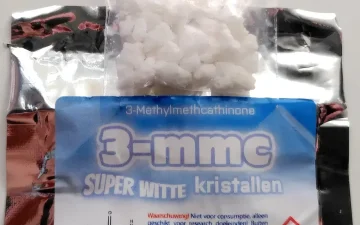
3-MMC arrived as a mephedrone substitute and stayed. What it is, how it differs from its analogues, and how to test a sample.
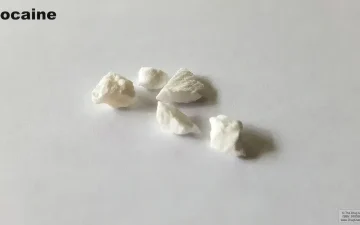
Cocaine is rarely sold pure, and some of its cuts are more dangerous than the drug. What it is, what it does, and how to check it.
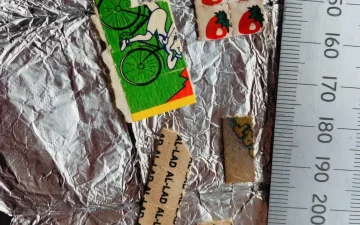
Albert Hofmann synthesised it in 1938 and the world has argued about it ever since. What LSD is, what it does, and how to test a blotter.