


Psychedelics 1D-LSD Lysergamides Psychedelics Research Chemical
1D-LSD
1D-LSD is among the most recent lysergamide analogues to reach the market. What it is and how to test a sample.
SUBSTANCE
Profiles of psychedelic compounds: what they are, how they act, the risks worth knowing, and how to check a sample before using it.
18 articles
Profiles of psychedelic compounds: what they are, how they act, the risks worth knowing, and how to check a sample before using it.
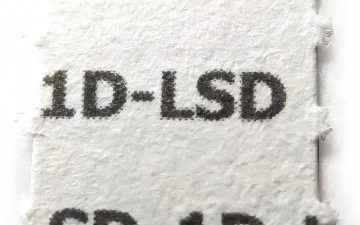
1D-LSD is among the most recent lysergamide analogues to reach the market. What it is and how to test a sample.
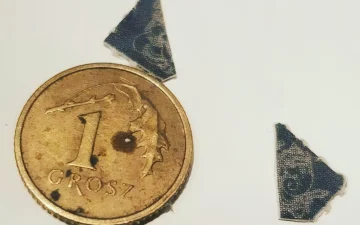
1P-LSD is closely related to LSD and behaves differently with Ehrlich. What it is, what it does, and how to test it.
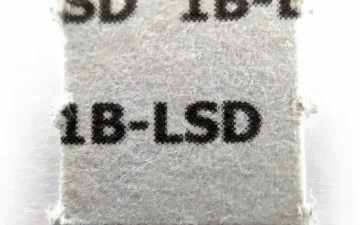
1B-LSD, or 1-butanoyl-LSD, is another lysergamide in wide circulation. What it is and how to test it.
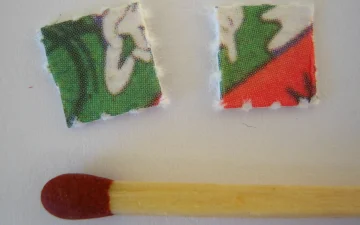
1V-LSD is a lysergamide analogue that reacts like LSD, only slower. What it is and how to test a sample.
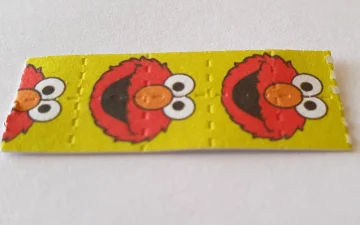
1cP-LSD is one of the lysergamide analogues sold widely as a research chemical. What it is and how to test it.
LSZ is a structural analogue of LSD with its own profile. What it is, what it does, and how it reacts with Ehrlich and Hofmann.
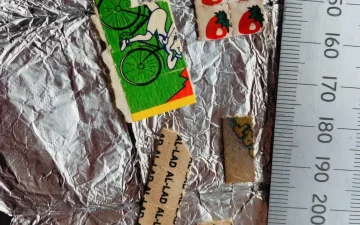
Albert Hofmann synthesised it in 1938 and the world has argued about it ever since. What LSD is, what it does, and how to test a blotter.
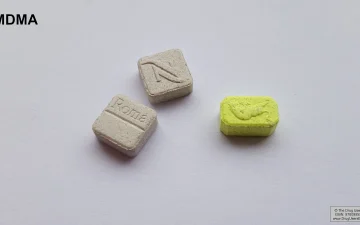
MDMA, commonly known as “Ecstasy” or “Molly”, is a synthetic psychoactive substance with a complex history. Its origins can be traced back to the early 20th century when it was initially developed for potential pharmaceutical use. Over time, MDMA became a popular recreational drug due to its empathogenic and entactogenic effects.