


What is in your vape?
A vape sold as THC often contains a synthetic cannabinoid instead, which is a different drug with a much narrower margin between a normal puff and a hospital. Of the cannabis vapes sent to laboratories and identified, more came back as a synthetic than came back as cannabis. The liquid looks the same either way, and a reagent settles it in under a minute.

Which synthetic cannabinoids are on the market
What laboratories found in vapes sold as THC
Twenty-four samples submitted as a THC or cannabis vape came back from the laboratory, and sixteen of them carried an identification. Nine of those sixteen were a synthetic cannabinoid with no THC in them at all, against four that held the THC and CBD the buyer expected. The two names behind almost all of the synthetic results were MDMB-4en-PINACA and 5F-ADB, and five of the nine also contained nicotine. One vape sold as THC turned out to be cocaine and ketamine.
These are samples people sent in because something felt wrong, and they come almost entirely from the UK, so the proportion describes that pile rather than the cartridge in your pocket. That is the point of testing it: the only sample whose answer you need is yours.
| Result | Samples | What it means |
|---|---|---|
| Synthetic cannabinoid | 9 | Not cannabis, and the riskiest outcome |
| THC with CBD or CBN | 4 | What was sold is what was in it |
| CBD, CBG and CBN, no THC | 1 | Hemp cannabinoids, no active THC |
| Nicotine only | 1 | An ordinary vape sold as THC |
| Cocaine and ketamine | 1 | A different drug class entirely |
| No substance reported | 8 | Submitted, not identified |
THC vape juice test results · Browse the alerts database
A blank reaction is the answer
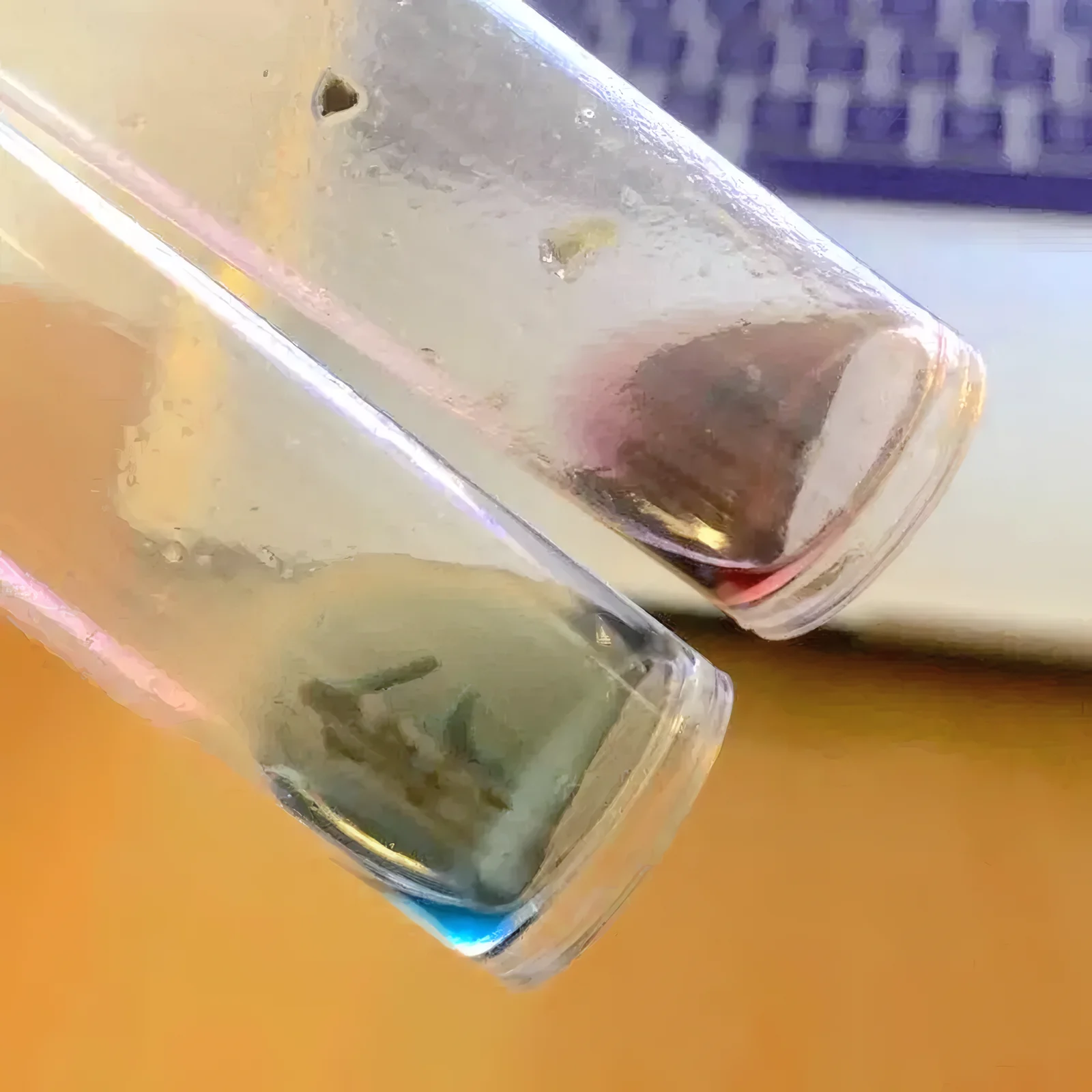
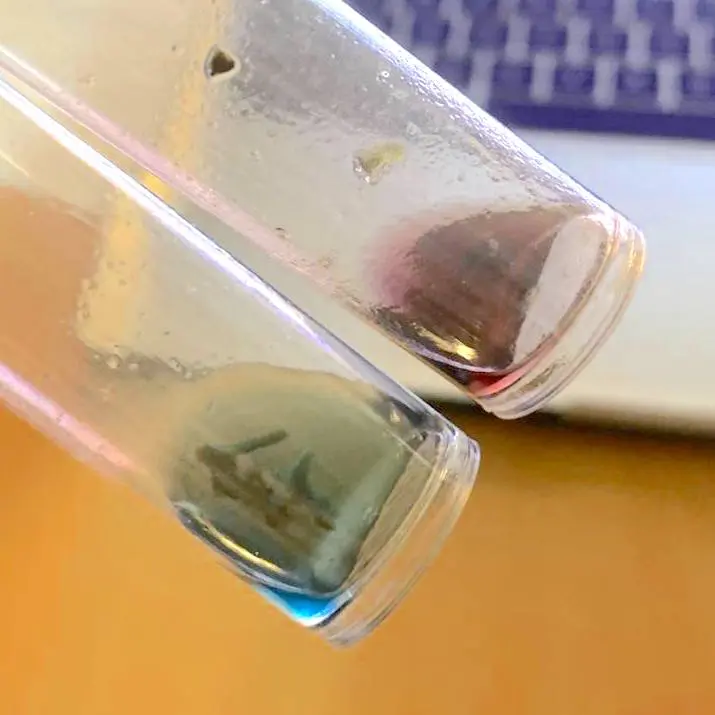
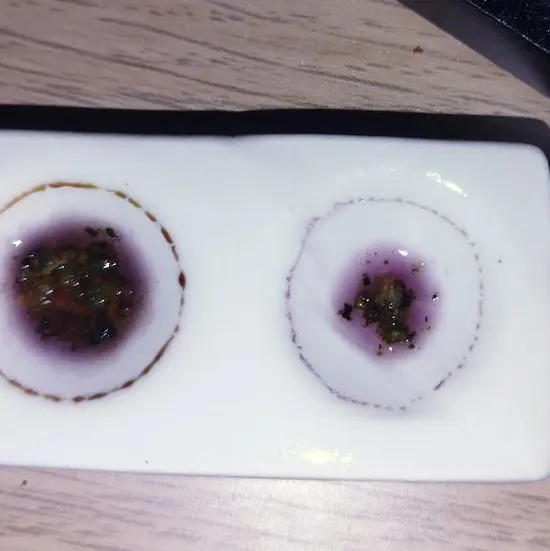
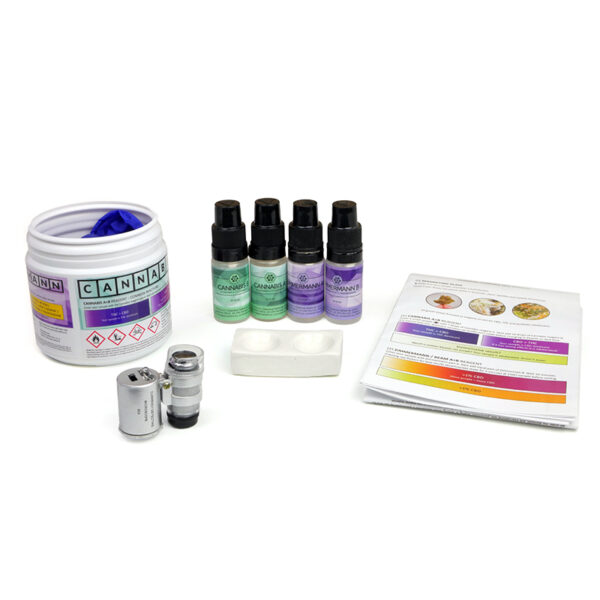
The 4-AP reagent reacts with cannabinoids, so a dried drop of the liquid gives a colour when THC is there. Synthetic cannabinoids are built on a different skeleton and leave it blank, and on something sold as cannabis that blank is itself the finding, the same way a blank Ehrlich on a tab sold as acid points to an NBOMe. Nothing happening is the result you came for.
A colour is the good sign rather than the all-clear. One of the nine synthetic results above also contained THC, and laboratories have reported liquids carrying a full CBD and CBN profile with a synthetic laid on top of it. The reagent tells you a cannabinoid is present; a testing card is what shows you everything that is present.
Why the synthetic ones are the dangerous half
THC only partly switches on the receptor it reaches. MDMB-4en-PINACA and 5F-ADB switch it on fully, which is why the reports around them run to vomiting, collapse, seizures and acute kidney injury rather than to an uncomfortable high. The dose makes it worse: the liquid is mixed by hand in milligram quantities, so one cartridge is not evenly loaded and one puff is not the same as the next. People who thought they were taking a familiar amount of a familiar drug are the ones this catches.
HHC and delta-8 are a different problem
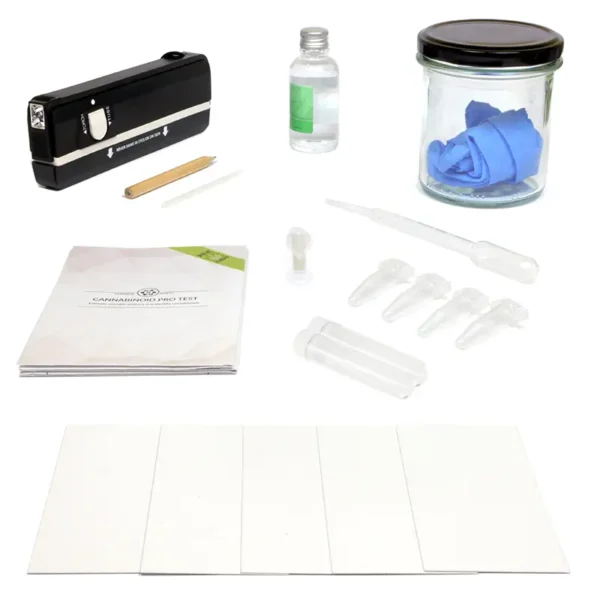
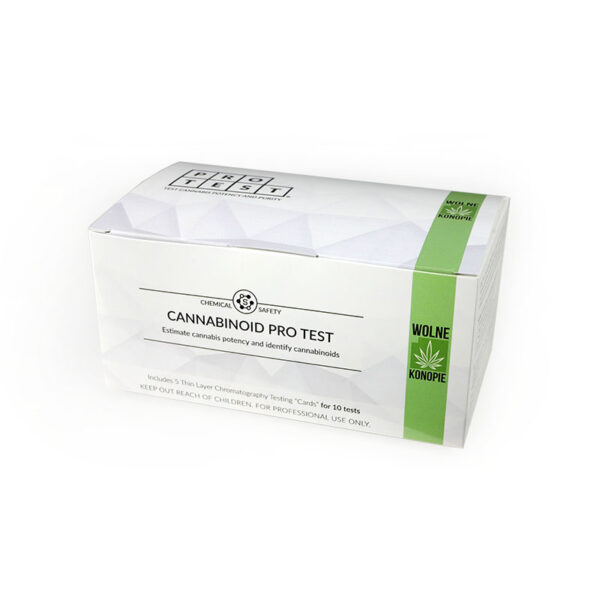
The semi-legal cannabinoids sold openly in vape shops are not the synthetics above. HHC, delta-8-THC and their relatives sit close enough to THC chemically that 4-AP reacts to them too, so a good reaction tells you that you hold a cannabinoid and not which one you hold. Separating them, and putting a percentage on what is there, is a testing card's job rather than a reagent's.
Delta-8, HHC and the semi-legal cannabinoids · How a TLC test works
What is in your vape: common questions
Can I test vape liquid with a reagent?
Yes, on a dried drop. Put a drop on the plate, let the carrier evaporate, then add the reagent to what is left.
What does no colour at all mean?
That there is no cannabinoid in it. On something sold as THC that points to a synthetic, and it is the result worth acting on.
Will a reagent tell HHC from THC?
No, both react as cannabinoids. A testing card separates them and also gives you the strength.
If it gives a colour, is it clean?
It means a real cannabinoid is in there, . Still, a synthetic can be carried on top of one. A testing card is what rules that out.
No test result can tell you a substance is safe. No substance is 100% safe.This article is published for harm reduction purposes. It does not encourage the use of psychoactive substances and does not replace medical advice.