Benzodiazepine pills are designed to look official, which is exactly what makes counterfeits effective. Bars, round blues and blister-packed tablets can all be copied, and the copies are often visually better than people expect while containing the wrong drug, the wrong amount, or a far stronger substitute.
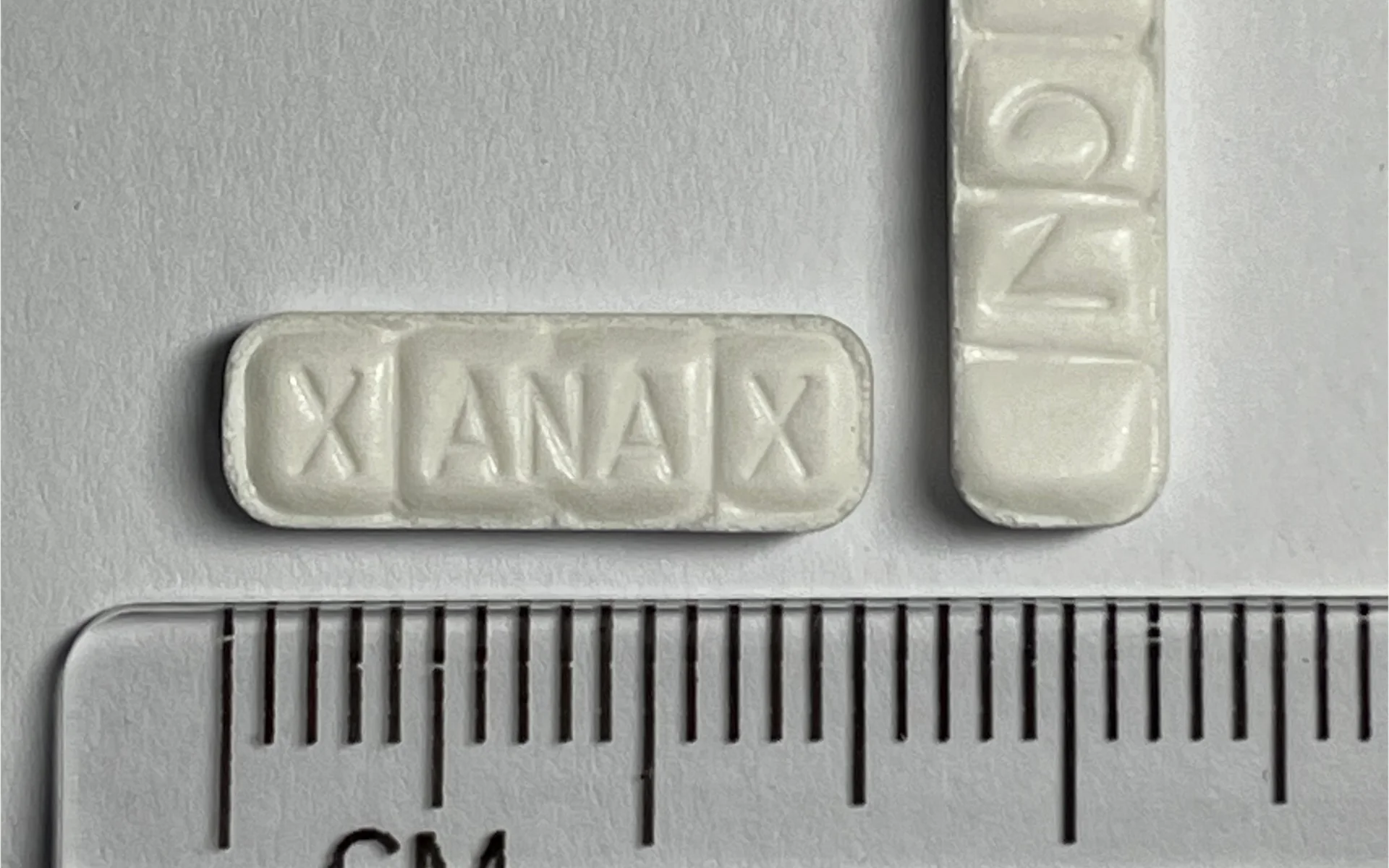
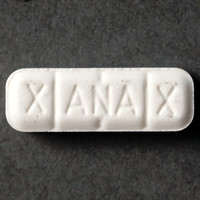
A pharmaceutical-looking bar. Presses that copy these markings are cheap and widely available.
The table below lists the shapes benzodiazepines turns up in and what each one actually indicates, which is usually something about processing rather than about quality.
Forms of benzodiazepines, and what each one does and does not indicate
Form
What it looks like
What it tells you
Bar
White rectangle, scored, marked with a logo
Copied constantly, easiest format to fake
Round tablet
Blue, white or yellow, coded
Codes are copied along with the shape
Blister pack
Foil and plastic, branded
Packaging is also counterfeited
The colour of benzodiazepine pills
Colour and logo are copied from genuine products, so matching a pill to a photograph online confirms that someone copied the design well. Genuine pharmaceutical tablets are made to tight tolerances, so visibly uneven colour, crumbling edges or inconsistent sizes across a batch are meaningful warnings.
The texture and shine of benzodiazepine pills
Pressed counterfeits are often softer and more powdery than pharmaceutical tablets, and may crumble at the score line. This is one of the few places where careful inspection of several pills together helps, because inconsistency within a batch is easier to see than any single flaw.
Substances that can look like benzodiazepine pills
The danger here is not a weaker benzodiazepine. It is that counterfeit tablets have contained nitazenes and other potent opioids, which are active in amounts too small to see and which are not what anyone taking a benzo expects. Pill presses do not distribute powder evenly, so two pills from one batch can differ.
What benzodiazepine pills appearance can tell you
Batch inconsistency is the real signal. Weigh several, look at them together, and treat variation in size, colour or hardness as a reason to stop. A single perfect-looking pill tells you nothing.
Nothing above identifies a substance. Appearance cannot tell you which molecule you have, it cannot tell you how much of it is there, and it cannot see the cuts, because the things added to benzodiazepines are chosen partly for looking like it. Two samples that look identical can be different substances at different strengths.
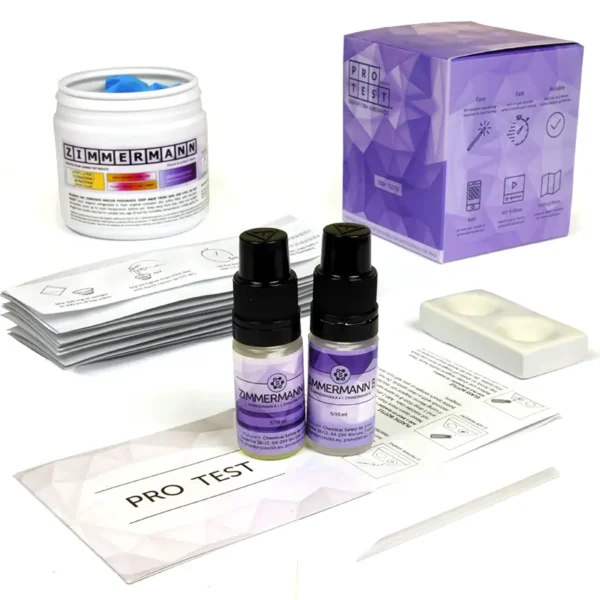
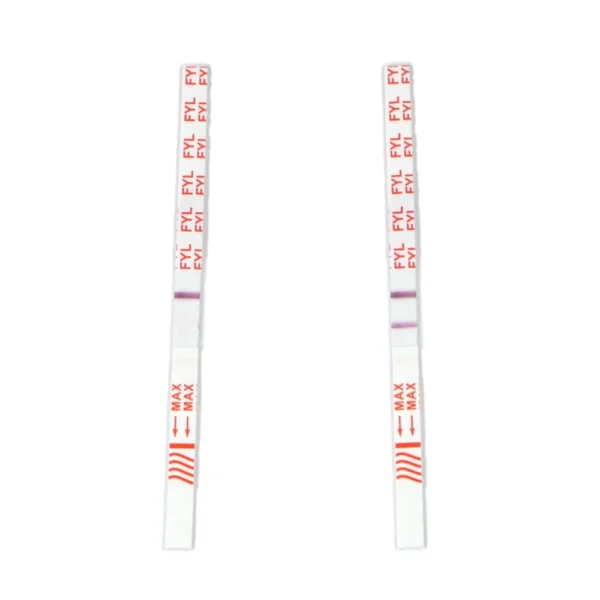
That is not a reason to give up on knowing. It is the reason chemistry exists, and the steps are quick. A reagent answers what the substance is. A testing card separates the sample and shows what else is in there along with a rough percentage. A laboratory analysis gives you an exact figure when the answer has to be exact.
For identity and cuts on your own sample, the first link below. The second puts a number on it. The third is the full laboratory analysis for when an estimate is not enough.
No test result can tell you a substance is safe. No substance is 100% safe.This article is published for harm reduction purposes. It does not encourage the use of psychoactive substances and does not replace medical advice.