
What does ketamine look like?
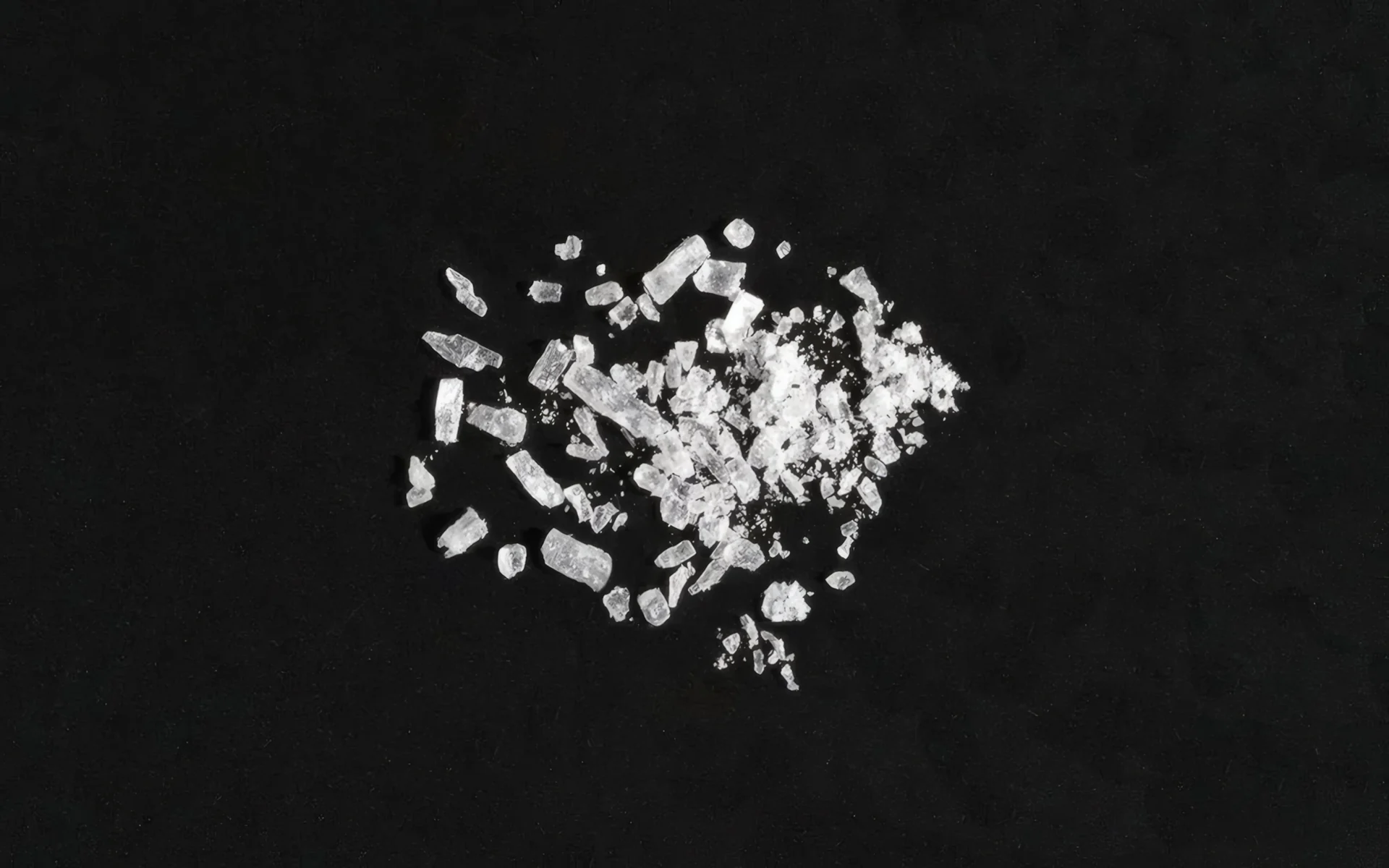
Ketamine is almost always white. It arrives as a fine powder, as larger translucent shards, or as the flaky crystal left when the liquid form is evaporated. The trouble is that a white crystalline powder is the single most common appearance in the entire market, so the look narrows nothing down.
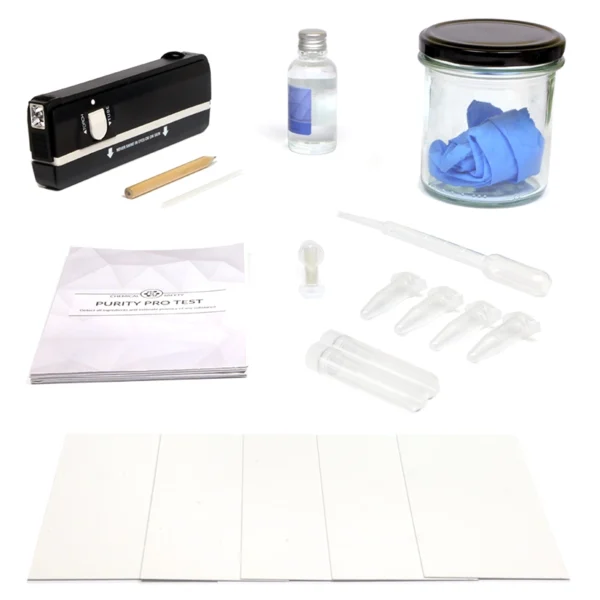
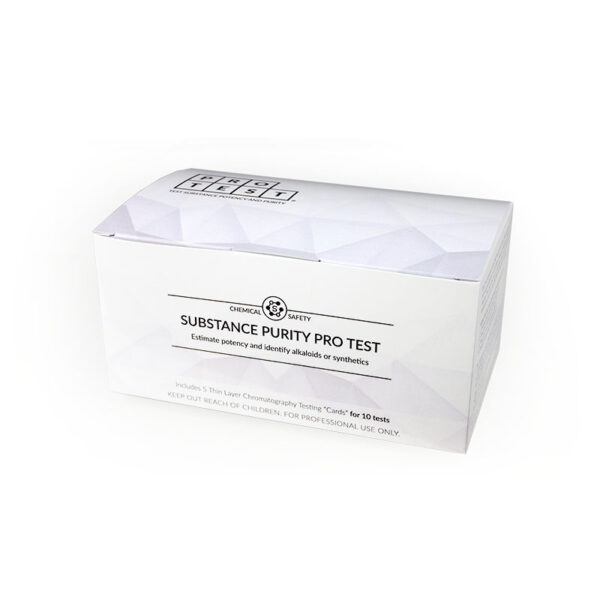
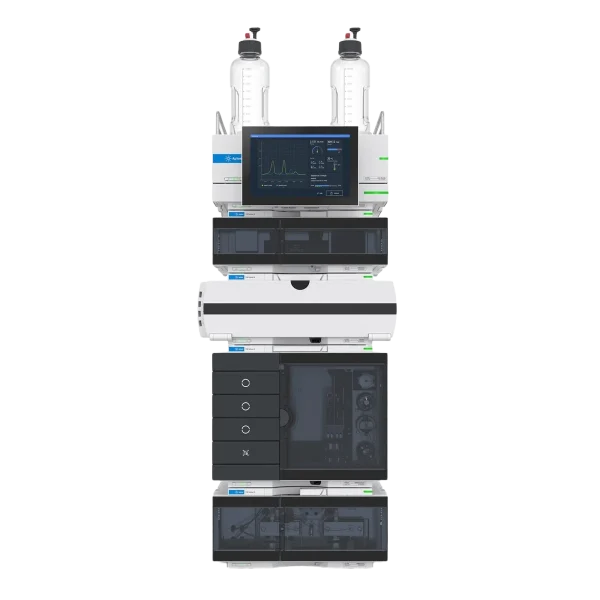
Forms of ketamine
The table below lists the shapes ketamine turns up in and what each one actually indicates, which is usually something about processing rather than about quality.
| Form | Looks like | Tells you |
|---|---|---|
| Shard or crystal | Translucent to white, glassy, breaks sharply | Evaporated from solution, says nothing about purity |
| Flaky crystal | Light, flat and layered, sometimes pearlescent | Typical of a slower evaporation |
| Fine powder | Bright white, free running | Ground shard, or something else entirely |
The colour of ketamine
Ketamine hydrochloride is white. So are the substances most often sold in its place, 2-FDCK and deschloroketamine among them, so colour will not separate one from another.
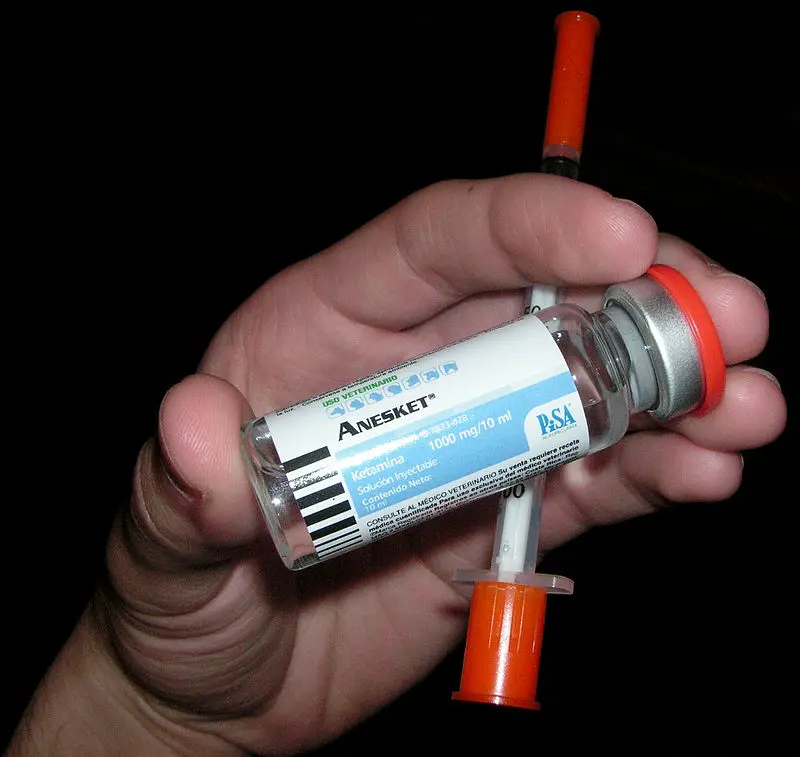
Colour here is mostly a record of how the powder was made. A lot of what reaches people began as veterinary injectable solution and was turned into powder by evaporating the water off. The ketamine stays behind, but so does everything else that was dissolved in the vial, preservatives and excipients included, and heat during the evaporation darkens the lot. Evaporated material runs off-white to grey or yellow. Properly recrystallised material comes out white.
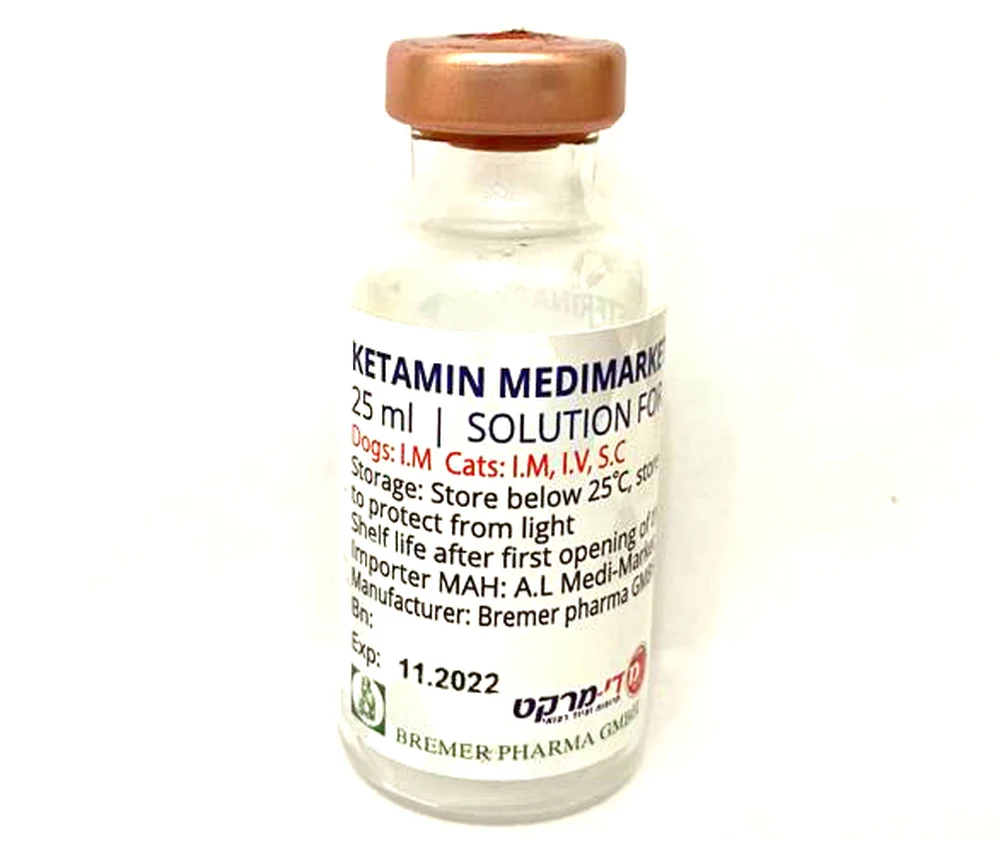
Yellow or brown therefore points at a rushed evaporation or a solvent that was never fully driven off. It is one of the few colour signals in this series worth acting on, because clean ketamine has no particular reason to be coloured. It still will not tell you which of the arylcyclohexylamines you are holding, and they are not equivalent doses.
The texture and shine of ketamine
Ketamine shards are hard and translucent and grind into a very fine, slightly fluffy powder. That texture is shared with a long list of research chemicals, and with MSM, a common cut that forms beautiful clear crystals and is frequently mistaken for high quality product precisely because it looks so good.
Substances that can look like ketamine
Deschloroketamine, 2-FDCK and other analogues look identical and behave differently, sometimes much more strongly. MSM, sugars and caffeine all present as white crystal or powder. Appearance cannot separate any of these.
What ketamine appearance can tell you
A genuinely oversized, very cheap bag of perfect clear crystal is worth suspicion, because MSM is cheap and looks excellent. Damp or strongly smelling material suggests a bad evaporation. Neither identifies anything.
Why appearance cannot identify ketamine
Nothing above identifies a substance. Appearance cannot tell you which molecule you have, it cannot tell you how much of it is there, and it cannot see the cuts, because the things added to ketamine are chosen partly for looking like it. Two samples that look identical can be different substances at different strengths.
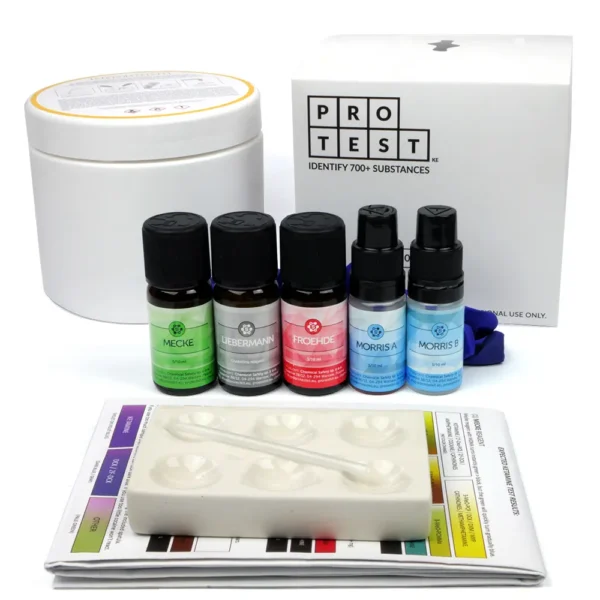
That is not a reason to give up on knowing. It is the reason chemistry exists, and the steps are quick. A reagent answers what the substance is. A testing card separates the sample and shows what else is in there along with a rough percentage. A laboratory analysis gives you an exact figure when the answer has to be exact.
For identity and cuts on your own sample, the first link below. The second puts a number on it. The third is the full laboratory analysis for when an estimate is not enough.
Ketamine harm reduction guide · Which test do you need? · What a testing card does
What does ketamine look like: common questions
Are big shards better than powder?
No. A shard is what forms when the solution dries slowly. It is a clue about process, not about purity or identity.
Is clear crystal a good sign?
Not by itself. MSM forms very clear crystal and is a common cut sold as ketamine.
Why is mine yellowish?
Usually residual solvent from a rushed evaporation. It is one of the few colour signals worth following up.
Can appearance separate ketamine from its analogues?
No. Deschloroketamine and 2-FDCK look the same and are not the same dose.
Photo: saferparty.ch, cropped
No test result can tell you a substance is safe. No substance is 100% safe.This article is published for harm reduction purposes. It does not encourage the use of psychoactive substances and does not replace medical advice.