
What does amphetamine look like?
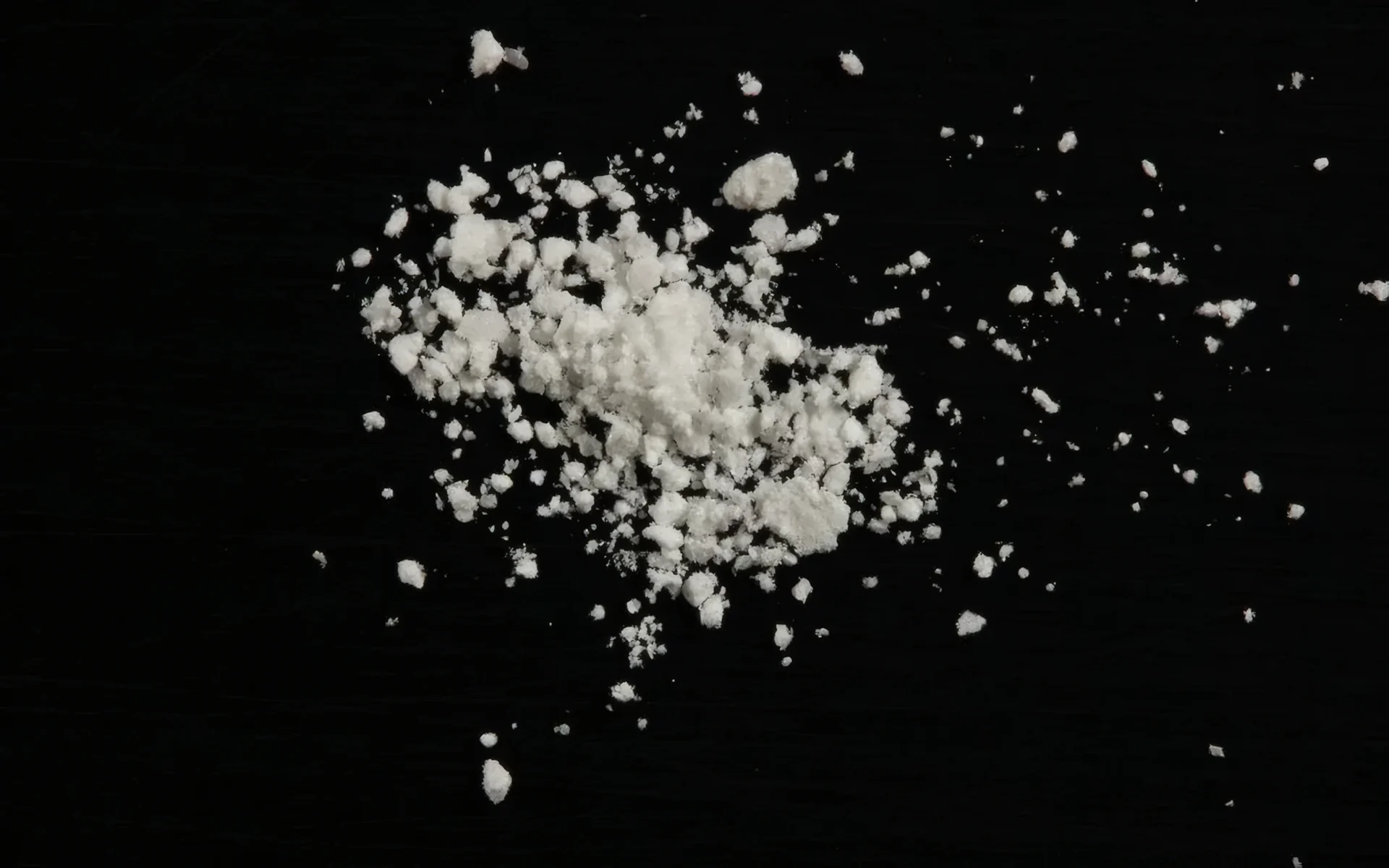
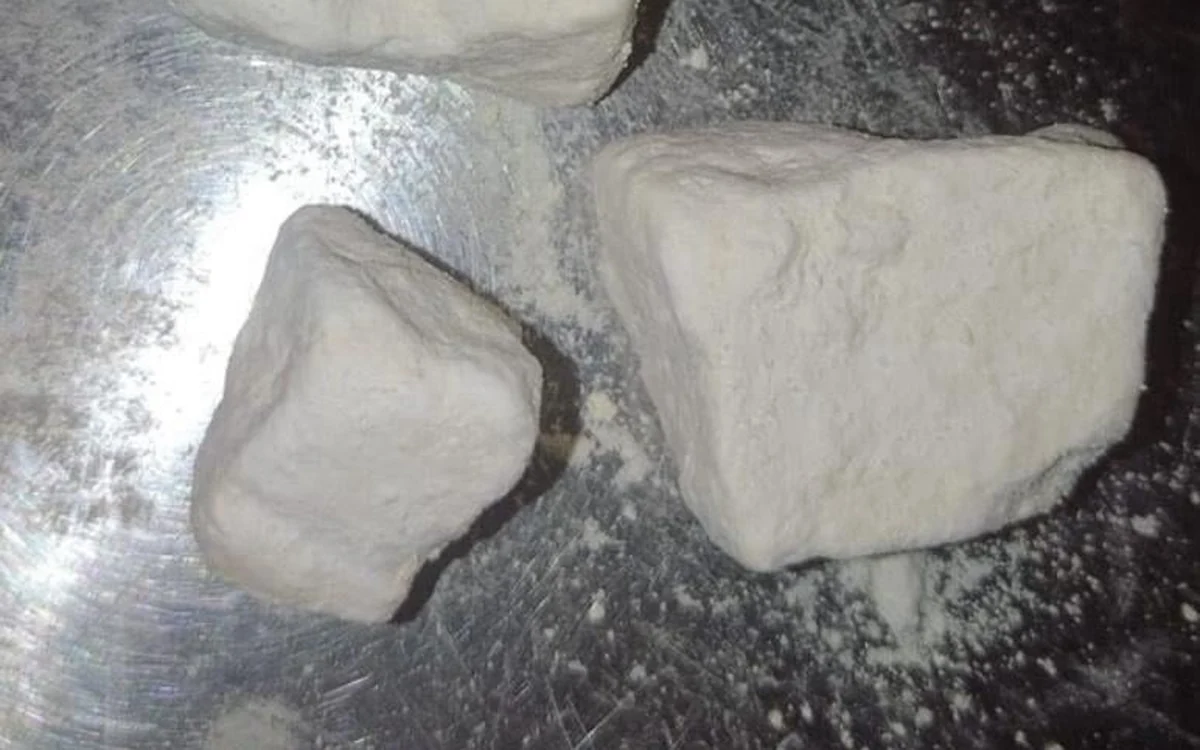
Amphetamine is the one substance in this series where appearance genuinely tracks something, though not purity. It ranges from a wet grey paste to a dry off-white powder, and that difference is mostly about how recently it was made and how well it was dried, not about how strong it is.
Forms of amphetamine
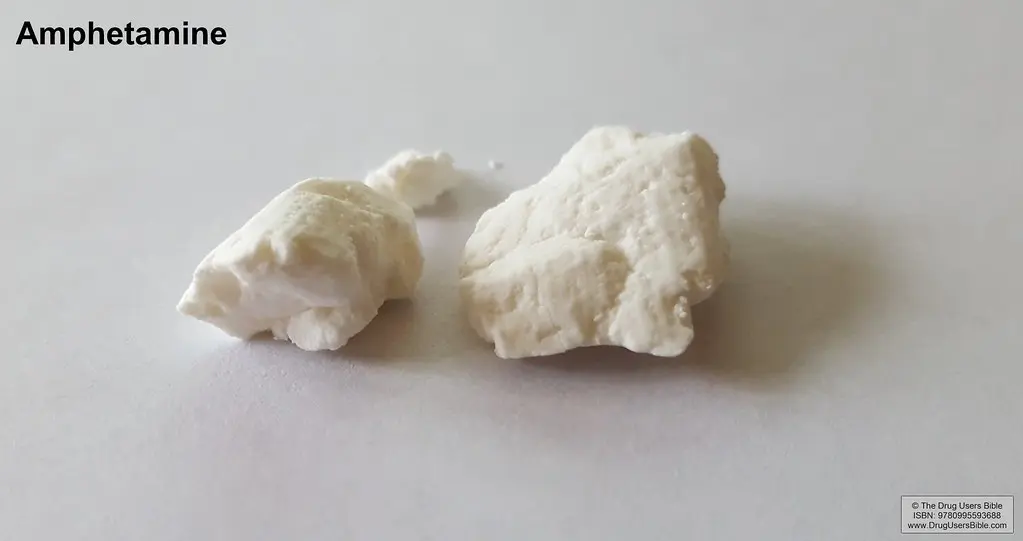
The table below lists the shapes amphetamine turns up in and what each one actually indicates, which is usually something about processing rather than about quality.
| Form | Looks like | Tells you |
|---|---|---|
| Paste | Damp, grey to beige, clumps together | Poorly dried, holds solvent and water |
| Damp powder | Slightly moist, cakes in the bag | Common, and heavier than it looks |
| Dry powder | Free running, white to pink | Better dried, not necessarily stronger |
The colour of amphetamine
Pharmaceutical amphetamine sulfate is white. Everything else you see in a bag of speed arrived with it, so “why is mine pink” is really a question about how it was made and what was added afterwards.
Nearly all European speed comes from the Leuckart route, which starts from BMK and passes through a dark oil before anything is cleaned up. What reaches you is that oil turned into a salt and dried. How much of the colour survives depends on how well it was washed.
The separation that takes those residues out also takes out weight, and weight is what gets sold. Cleaner costs the seller money, so nothing in this market pushes hard towards white.
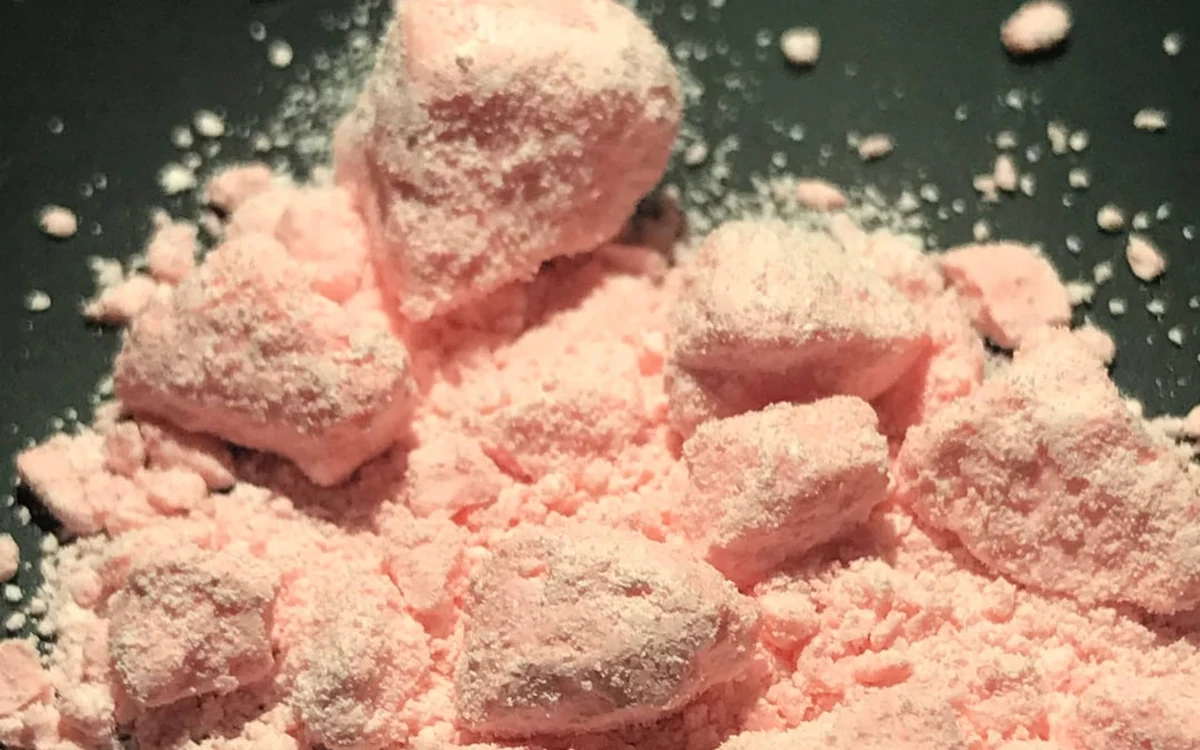
The table below gives the colours you are likely to see, what causes each one, and what it is worth as a guide to strength.
| Colour | Comes from | Strength |
|---|---|---|
| White | Well washed material, or a white cut such as caffeine | No guide |
| Off-white to beige | Synthesis residues that were not fully washed out | No guide |
| Grey | Moisture, usually paste that was never properly dried | Less per gram |
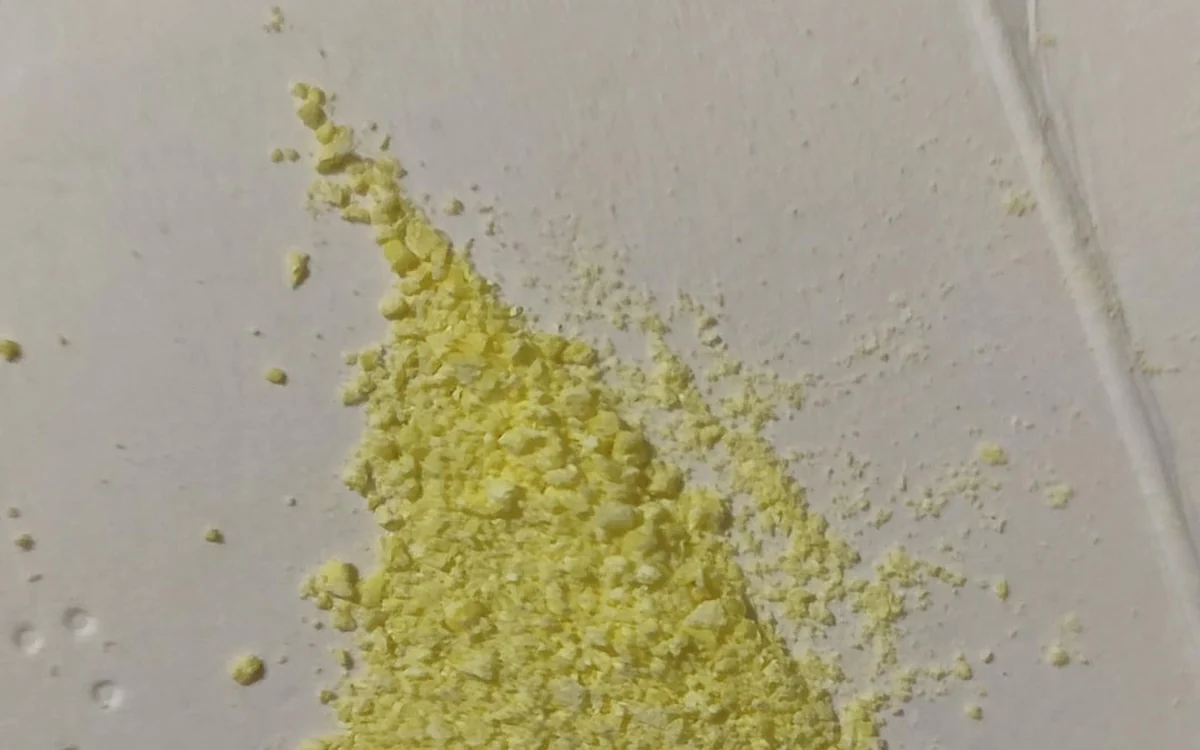
| Yellow | Unreacted or oxidised BMK, itself a yellow oil | No guide |
| Pink | Added dye, or residue from the final step | No guide |
| Brown | Heavily coloured residues, sometimes scorching | No guide |
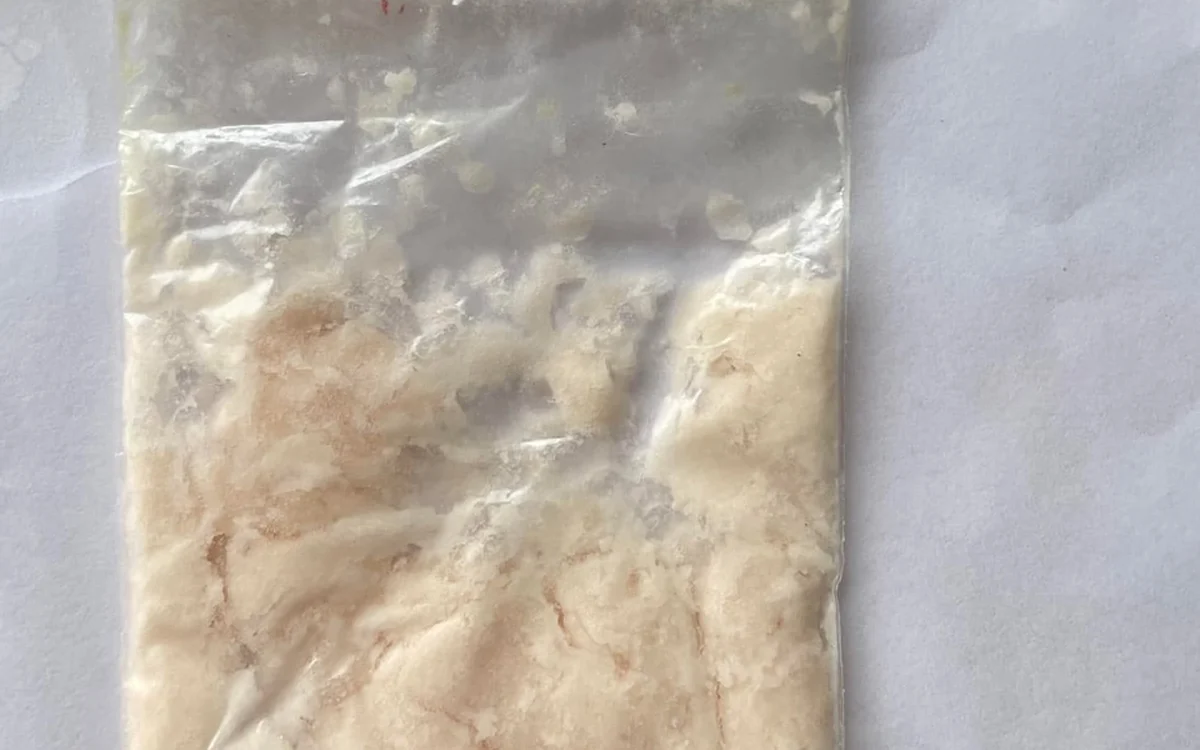
Yellow is the clearest case. BMK is a pale yellow oil, and so are several of the compounds it turns into on standing, so a yellow tint means some of that came through the last wash. Grey is water. Paste bagged while damp goes grey instead of white, so grey speed and heavy speed tend to be the same speed.
Pink has two explanations. One is dye, added to make a batch recognisable, for the same reason pills are coloured. The other, repeated everywhere in the trade and thin on published evidence, is too much sulfuric acid at the step that turns the free base into the sulfate salt. Both give you the same pink, and neither one adds a milligram of amphetamine.
Pink gets read as a grade in both directions. The same photograph draws “that is burned, bad speed” from one person and “pink works better than the white” from another, in the same thread, about the same bag.
Pink carries a risk the other colours do not. Pink powder at a party is also what tusi is sold as, and tusi is usually cathinones and ketamine with no amphetamine in it at all. If the only reason you believe a pink powder is speed is that someone told you so, a reagent settles it in about a minute.
Colour does not even hold still. People report a gram going pink over a few hours in a plastic tube and then orange over the following day in a paper wrap, with nothing added and nothing taken out. Leftover acid keeps reacting, with air and with whatever the powder is folded into. A colour that moves on its own belongs to the residues and the packaging, not to the amphetamine.
The texture and shine of amphetamine
Damp material weighs more, so paste is the format where weight flatters the seller most. It also smells: a strong ammonia or solvent smell is common and tells you about drying rather than about content. Dry, fluffy powder with no smell is easier to handle and just as likely to be mostly caffeine.
Substances that can look like amphetamine
Caffeine is the dominant cut and is white and odourless at these amounts. Creatine and sugars are also used. None of them are visible once mixed, and the resulting blend looks like ordinary speed.
What amphetamine appearance can tell you
The damp versus dry difference is real information about handling. It is also the reason weight is a poor guide, since a damp gram is partly water. Remember that before you judge anything by the look of it.
Why appearance cannot identify amphetamine
Nothing above identifies a substance. Appearance cannot tell you which molecule you have, it cannot tell you how much of it is there, and it cannot see the cuts, because the things added to amphetamine are chosen partly for looking like it. Two samples that look identical can be different substances at different strengths.
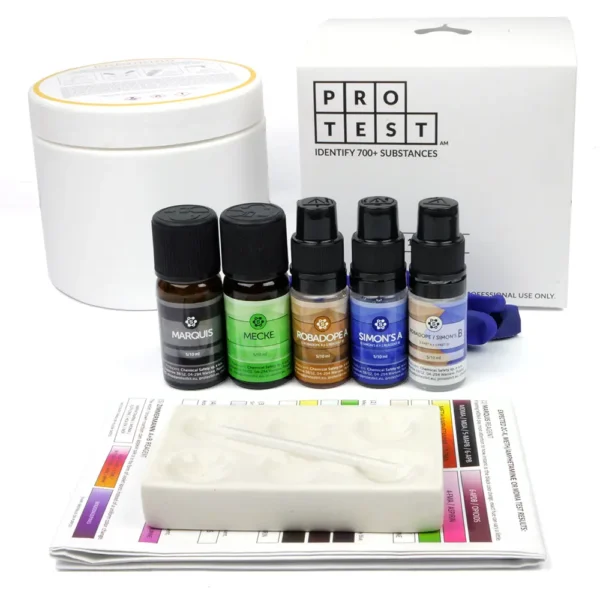
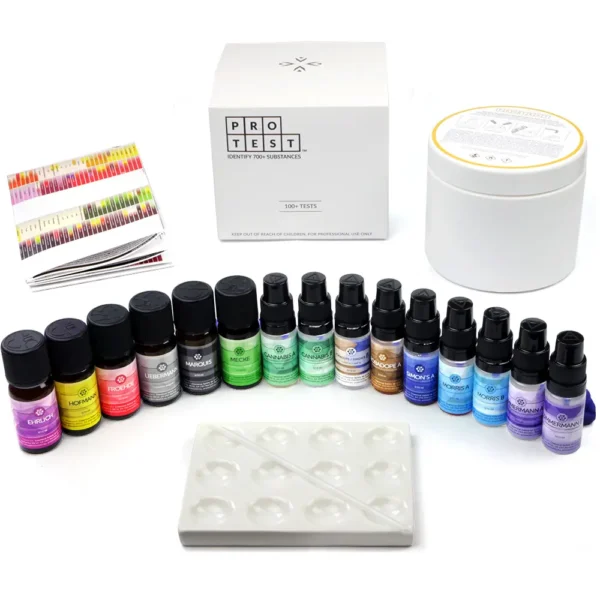
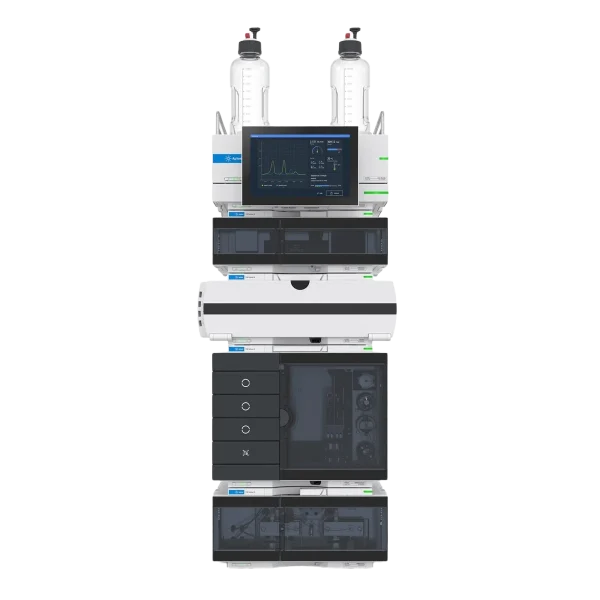
That is not a reason to give up on knowing. It is the reason chemistry exists, and the steps are quick. A reagent answers what the substance is. A testing card separates the sample and shows what else is in there along with a rough percentage. A laboratory analysis gives you an exact figure when the answer has to be exact.
For identity and cuts on your own sample, the first link below. The second puts a number on it. The third is the full laboratory analysis for when an estimate is not enough.
Amphetamine harm reduction guide · Which test do you need? · What a testing card does · Which isomer is active?
What does amphetamine look like: common questions
Is pink speed stronger?
No. Pink is dye or synthesis residue, and neither one adds amphetamine. Pink powder is also what tusi is sold as, so it is a reason to check what you have rather than to trust it.
Why is my speed yellow?
Because some of the starting material came through the final wash. BMK is a yellow oil, and so are the compounds it turns into in air.
Why did my speed change colour in the bag?
Leftover acid from the synthesis carries on reacting with air and with the wrap. Going pink, then orange, over a day or two is reported often. Nothing was added, and nothing about the strength changed with it.
Does paste mean fresh?
It usually means poorly dried, which also means you are paying for water.
Does the smell tell me anything?
It tells you about solvent and drying. It does not tell you how much amphetamine is present.
Why does mine look like caffeine?
Because caffeine is the most common cut, it is white, and once mixed it is invisible.
Photo: saferparty.ch, cropped
No test result can tell you a substance is safe. No substance is 100% safe.This article is published for harm reduction purposes. It does not encourage the use of psychoactive substances and does not replace medical advice.