
What does LSD look like?
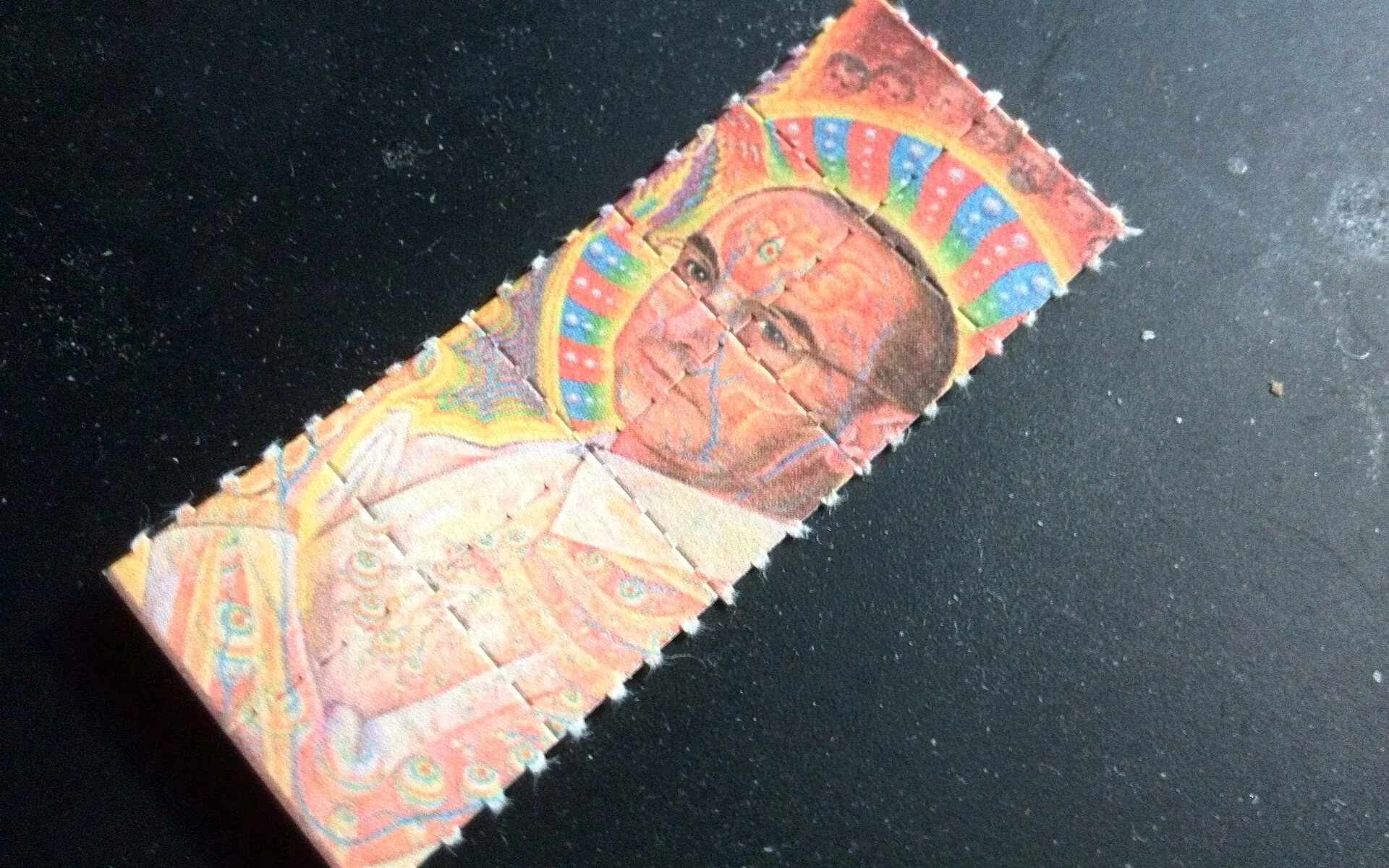
LSD is active at such small amounts that you are almost never looking at the drug itself. You are looking at paper, gelatine or liquid that something was applied to, which makes appearance close to meaningless here and makes the substitutes particularly dangerous.


Forms of LSD
The table below lists the shapes LSD turns up in and what each one actually indicates, which is usually something about processing rather than about quality.
| Form | Looks like | Tells you |
|---|---|---|
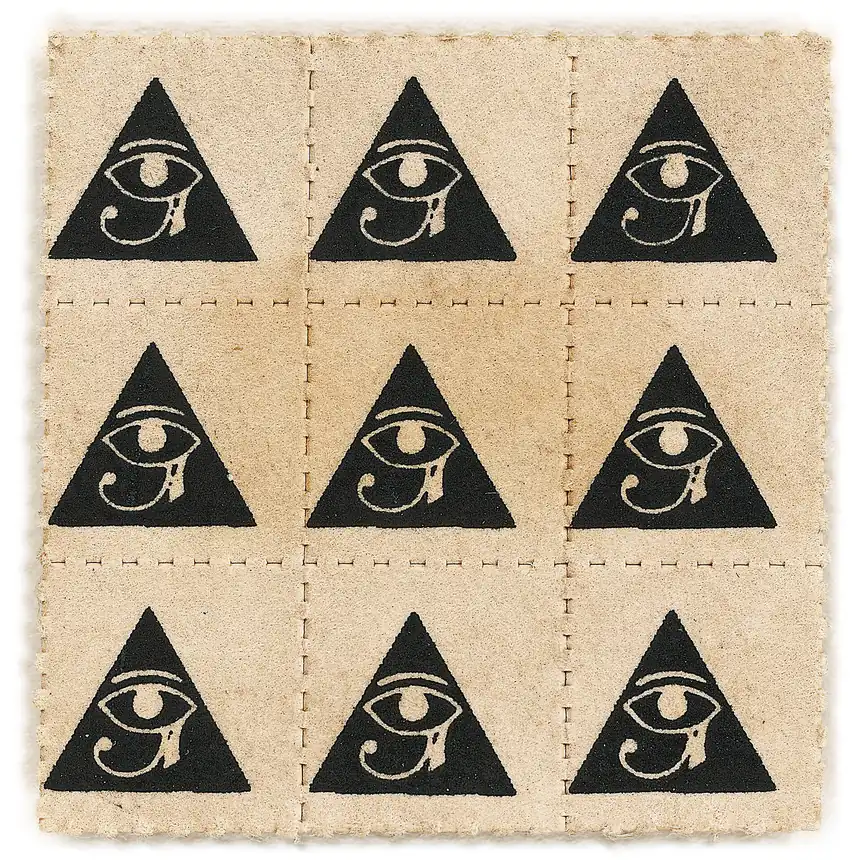
| Blotter | Printed paper squares, any artwork | Tells you about the printer, nothing about the dose |
| Liquid | Clear, in a small dropper bottle | Concentration is invisible and can vary hugely |
| Gel tab | Small translucent squares, often coloured | Gelatine matrix, dose still invisible |
The colour of LSD
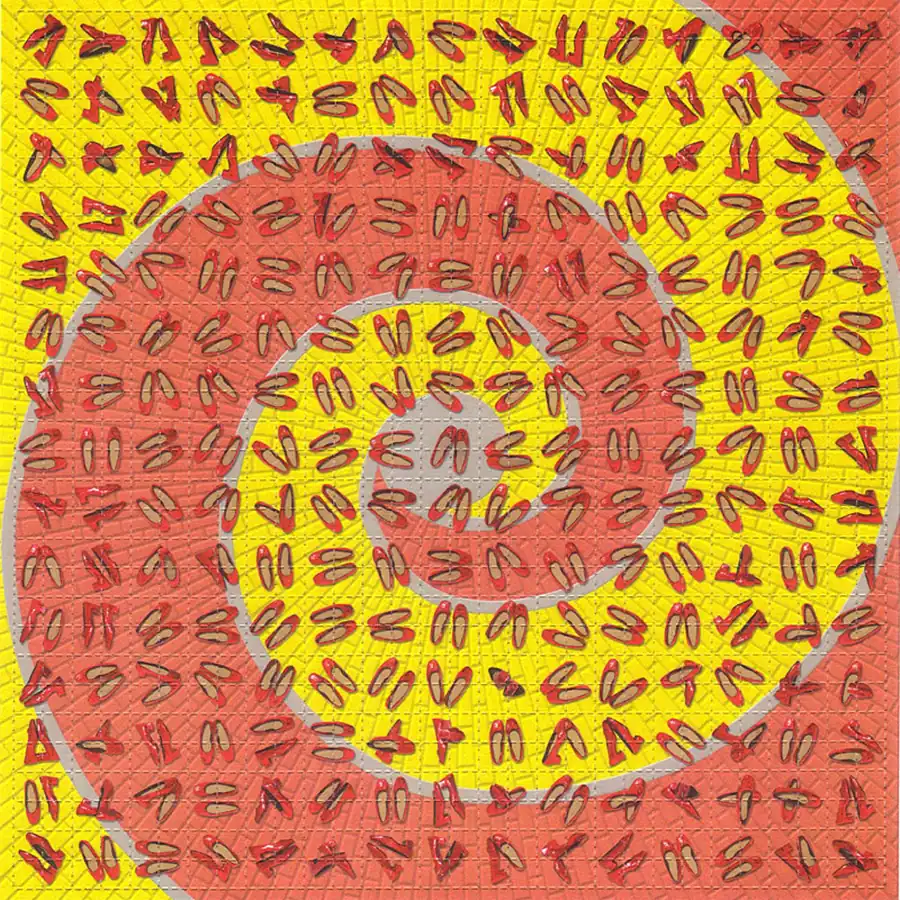
LSD has no colour of its own on a blotter, because what you are looking at is ink on paper. The art is printed before anything is applied, in whatever colours the printer had, and the paper underneath is white. A faint ring where the drop landed tells you something was applied and nothing at all about what.
Pure LSD crystal is white. Liquid is the only format where colour carries information, and even there it is about storage rather than strength. LSD breaks down in light, heat and air, so a solution that has gone amber or brown has usually had a hard life. Darker is not stronger. If anything the arrow points the other way.
Coloured liquid and coloured gel tabs are coloured with dye, often so that a dose is visible against a surface at all. Clear liquid stays clear whether it is strong, weak, or not LSD, and the substances that most often replace it on blotter are colourless too.
The texture and shine of LSD
There is nothing useful in the texture. Blotter is perforated paper. Gel is soft and slightly rubbery. What matters is what was dropped onto them, and that is invisible, odourless and present in microgram amounts.
Substances that can look like LSD
This is where it gets serious. NBOMe and DOx compounds are sold on blotter that looks identical and require very different doses, and NBOMe in particular has caused deaths at amounts that fit on the same square of paper. Appearance cannot separate them at all, and a bitter taste is a warning sign rather than a test.
What LSD appearance can tell you
One real signal exists and it is negative. A blotter that tastes strongly bitter is more likely to be an NBOMe compound, because LSD is largely tasteless at these doses. That is a reason to stop, not a way to identify anything.
Why appearance cannot identify LSD
Nothing above identifies a substance. Appearance cannot tell you which molecule you have, it cannot tell you how much of it is there, and it cannot see the cuts, because the things added to LSD are chosen partly for looking like it. Two samples that look identical can be different substances at different strengths.
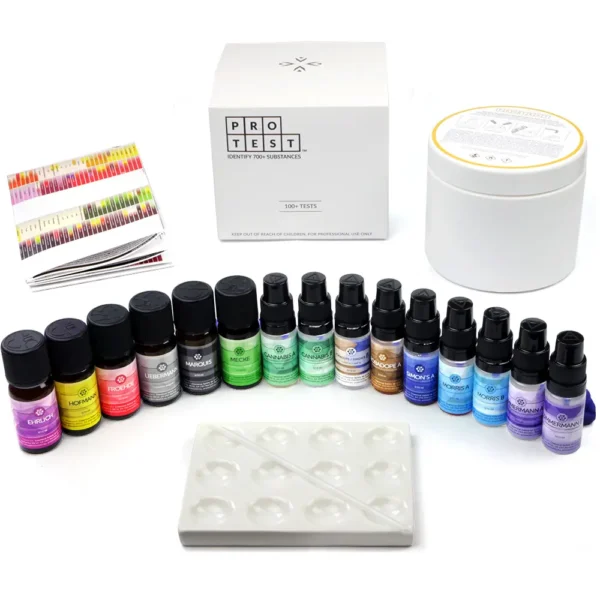
That is not a reason to give up on knowing. It is the reason chemistry exists, and the steps are quick. A reagent answers what the substance is. A testing card separates the sample and shows what else is in there along with a rough percentage. A laboratory analysis gives you an exact figure when the answer has to be exact.
For identity and cuts on your own sample, the first link below. The second puts a number on it. The third is the full laboratory analysis for when an estimate is not enough.
LSD harm reduction guide · Which test do you need? · What a testing card does
What does LSD look like: common questions
Does the artwork mean anything?
No. Sheets are printed commercially and the design is chosen by whoever printed it.
Can I see how strong a tab is?
No. The amount is in micrograms and is invisible on paper or in gel.
Is bitter blotter bad?
It is a warning. LSD is close to tasteless at these doses, and a strong bitter taste points at NBOMe.
Are gel tabs stronger than blotter?
Not inherently. Gel holds more liquid, so it can be, but the format is not a dose.
No test result can tell you a substance is safe. No substance is 100% safe.This article is published for harm reduction purposes. It does not encourage the use of psychoactive substances and does not replace medical advice.