
Are your LSD gel tabs vegan? What are drug gummies made of?
This article is provided for informational and harm reduction purposes. It does not encourage the use of psychoactive substances and does not replace medical advice.
Gel tabs, almost never. A gel tab is gelatine by definition, and gelatine is collagen from pig or cattle hide and bone, so the format itself is traditionally an animal product. Gummies are nonetheless an open question: they can be made with gelatine, with pectin from fruit, or with agar from seaweed, and only two of those are vegan. Nothing sold illicitly carries an ingredient list, so the honest position is that you cannot know without testing it yourself.

What a gel tab is made of
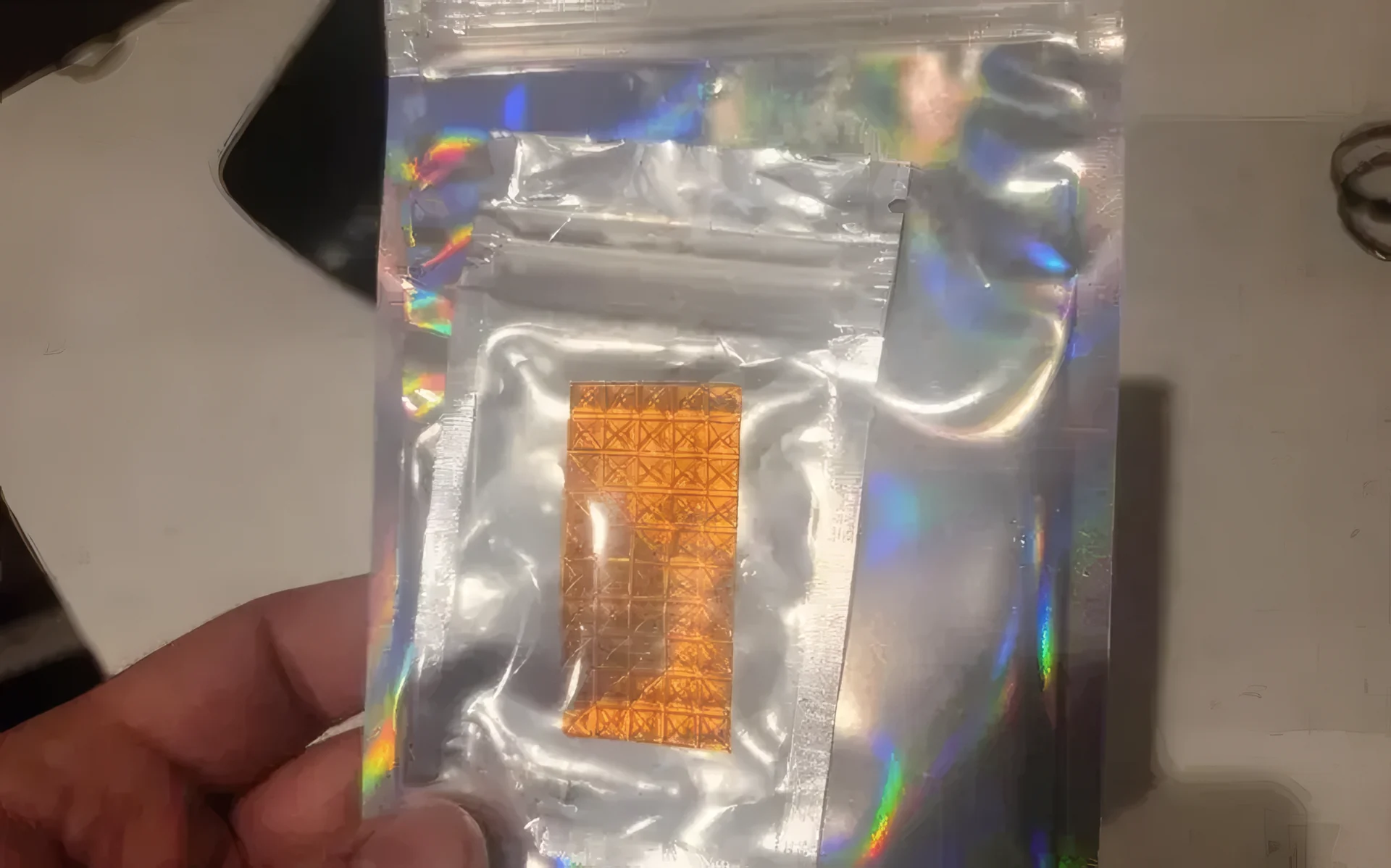
Liquid LSD or another substance is mixed into warm gelatine and water, poured thin, left to set and cut into squares. That is the whole recipe, and it is why back in the old days the format was called windowpane. The gelatine is not without practical merit: dried gelatine is dense enough to slow oxygen reaching the LSD, which is the reason gel tabs can keep better than blotter. Worth remembering while we are on doses, a typical tab holds less than people assume. Half of the 215 published LSD samples carrying a figure came in above 74 micrograms and two thirds were under 100, which is well below what tabs are usually sold as.
Gelatine comes from the hides and bones of pigs and cattle. For anyone avoiding animal products that is the whole of the objection, and the same fact answers the halal and kosher question, since the source is most often porcine. An agar gel tab is entirely possible and is reportedly common, and there is a practical reason beyond diet: agar holds its shape at temperatures that turn gelatine soft, so an agar tab survives a warm pocket or a summer festival where a gelatine one will not.
Gummies can go either way
Three gelling agents turn up in gummies. Gelatine is the animal one. Pectin comes from fruit peel and is what most sour and fruit-based sweets use. Agar comes from red seaweed. Both pectin and agar are vegan, and a manufacturer choosing between them is thinking about texture and shelf life, not about diet.
Cannabinoid gummies sold openly, the HHC and delta-8 products, generally declare this on the packet, so read it before you do anything else. MDMA and LSD gummies are made by whoever made them and tell you nothing, which is where the physical test comes in.
Telling agar from gelatine at home
The difference is in the heat. Gelatine melts at about 35 degrees, which is body temperature, and that is exactly why a gelatine sweet goes soft in your mouth. Agar does not melt until about 85 degrees and needs a proper boil to dissolve. That gap is wide enough to see without any equipment.
The table below gives what each one does.
| Gelatine | Agar | Pectin | |
|---|---|---|---|
| Vegan | no | yes | yes |
| Source | pig or cattle collagen | red seaweed | fruit peel |
| Melts at | about 35 °C | about 85 °C | does not melt cleanly |
| In water at 40 °C | softens, then dissolves | sits there unchanged | sits there unchanged |
| Texture | elastic, bounces, stretches | brittle, snaps cleanly | short, firm, does not stretch |
| Sets at room temperature | no, needs a fridge | yes | yes |
The quickest version is a cup of water from the hot tap, around 40 degrees, hand-warm rather than steaming. Drop a piece in. Gelatine goes soft within a minute or two and starts to lose its edges. Agar and pectin sit in the cup looking exactly as they did. If you have no thermometer, water you can comfortably hold a finger in is close enough, because the two melting points are fifty degrees apart and nothing about this needs precision.
Failing that, bend it. Gelatine stretches and springs back. Agar snaps. It is a cruder test than the water one but it costs nothing and needs no equipment.
Two cautions. Do not use your mouth as the test on a drug product, however tempting the melt-in-the-mouth difference is; we do not encourage the use of any psychoactive compound. And whatever you put in the water is gone, because the substance leaves the piece and goes into the cup. Test a spare, or a corner you accept losing, and not the one you were planning to take.
Reading a reagent through the dye
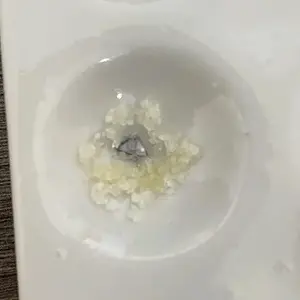
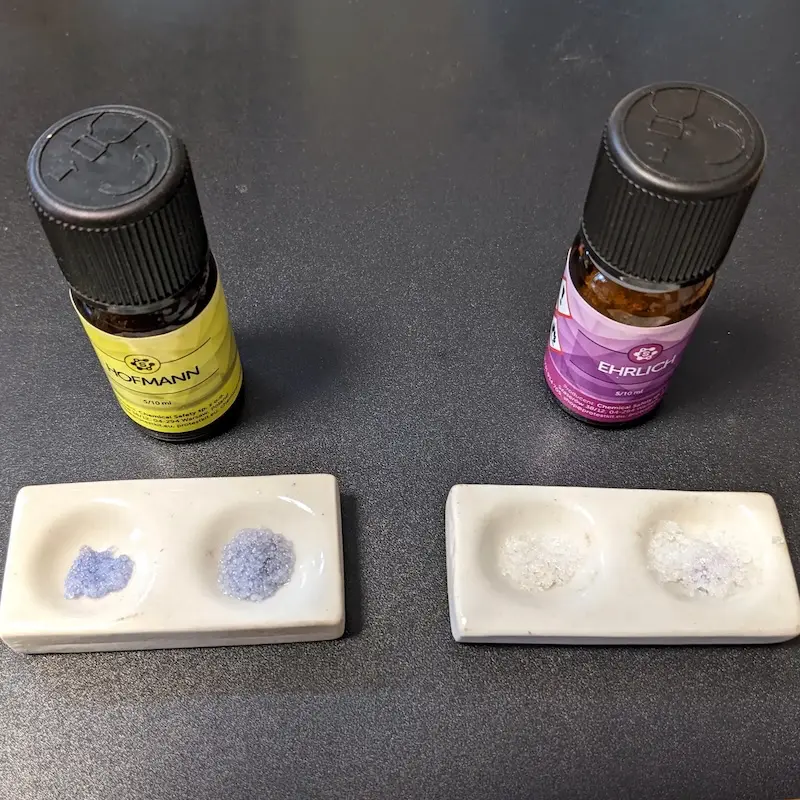
Ehrlich is the workhorse for anything sold as acid, and on blotter it is reliable. Gel tabs and gummies make it harder for one reason: Ehrlich answers by turning purple, and these products are coloured on purpose. A dark red or blue gel can swallow a purple that genuinely developed, which reads as a blank and sends you to the wrong conclusion. A gel that is already pink or violet can look like a positive before you have added anything.
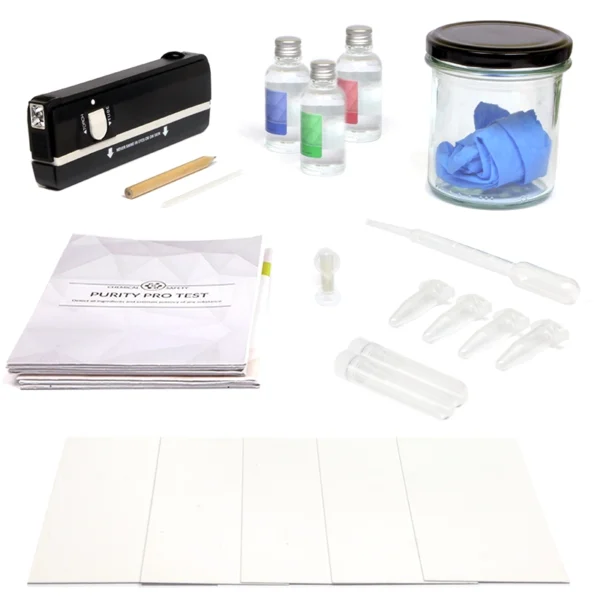
Three things make it readable. Take the sample from inside the piece rather than the dyed surface. Put an untested piece of the same product beside the test as a colour reference, so you are comparing against its own colour rather than against white. And run Hofmann after Ehrlich: a lysergamide turns it deep blue, which is a change no food dye is going to imitate by accident. If the colour is still ambiguous, a testing card sidesteps the problem entirely by separating the dye from the compound instead of reading them on top of each other.
What the Ehrlich reagent shows, and what it does not
What the gelling agent does not tell you
Nothing about the dose, and nothing about the contents. A vegan gummy can hold three times what you were told it holds, or a different compound entirely, and the seaweed in it will not care. Published lab results on this format are thin, six gummies and three edibles across the whole European alerts database, which is not enough to tell you what is normal.
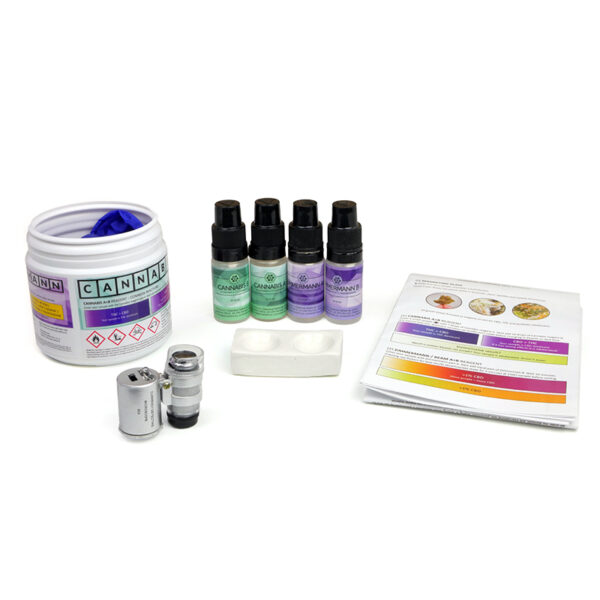
Reagents work on a gummy the way they work on anything else, but the sugar and colouring make the colour harder to read, so take the sample from inside rather than the surface. For a cannabinoid product the cannabinoid kit is the relevant one; for anything sold as MDMA or LSD, the kit for that substance. If the amount matters, that is a testing card or a laboratory, not a reagent.

How to test LSD gel tabs · What a TLC test does
LSD gel tabs and gummies: what they are actually made of: common questions
Are LSD gel tabs vegan?
Normally no. The gel is gelatine, which comes from pig or cattle collagen. An agar version is possible but is not the standard format.
Is blotter vegan?
Paper and ink, so usually yes. That is the straightforward answer if it matters to you.
How do I tell agar from gelatine without equipment?
Hand-warm water. Gelatine softens and dissolves within a couple of minutes; agar and pectin do not move. Or bend it: gelatine stretches, agar snaps.
Can I trust Ehrlich on a coloured gel tab?
With care. The dye can hide a real purple or imitate one, so sample from inside the piece, keep an untested piece beside it for comparison, and confirm with Hofmann, which goes deep blue for a lysergamide.
Does a vegan gummy mean a safer gummy?
No. The gelling agent says nothing about what is dissolved in it or how much.
No test result can tell you a substance is safe. No substance is 100% safe.This article is published for harm reduction purposes. It does not encourage the use of psychoactive substances and does not replace medical advice.